
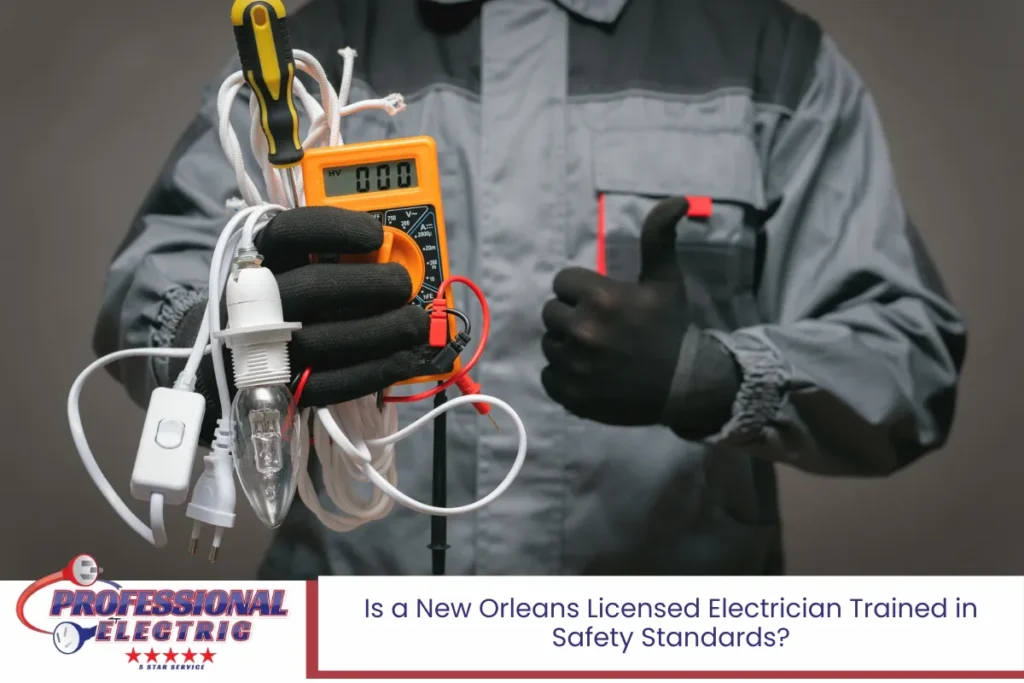

A New Orleans Licensed Electrician is specifically trained to meet strict safety standards designed to protect homes, businesses, and families. But many property owners don’t realize how much training, testing, and oversight goes into that license. Electrical issues may look small at first—flickering lights, warm outlets, tripping breakers—but when handled improperly, they can lead to electrical fires, code violations, or serious injury. In a city like New Orleans, where humidity, storms, and aging infrastructure create unique challenges, cutting corners with electrical work is risky. The solution is simple: hire a licensed electrician who understands local codes, national safety standards, and proper installation practices. Let’s explore exactly what that training involves and why it matters.
What It Really Means to Be Licensed in New Orleans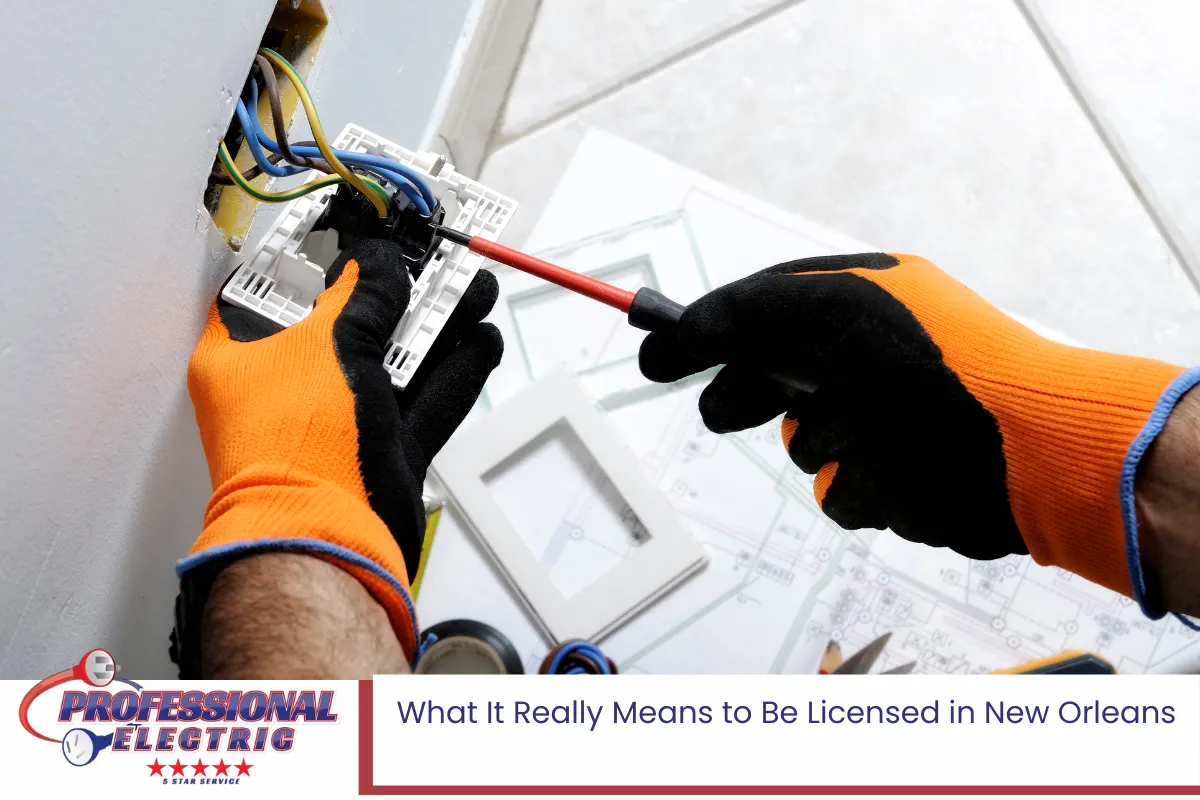
Becoming a licensed electrician in New Orleans is not a quick or casual process. It involves formal education, hands-on apprenticeship training, and passing comprehensive exams. In Louisiana, electricians must meet state licensing requirements through the Louisiana State Licensing Board for Contractors when performing certain levels of work, particularly for larger projects.
For smaller residential electrical repairs and installations, local permits and inspections through the City of New Orleans are typically required. A licensed professional must demonstrate knowledge of:
- National Electrical Code (NEC) standards
- Local amendments adopted by Louisiana authorities
- Electrical theory and system design
- Load calculations and grounding methods
- Fire prevention practices
This process ensures that anyone offering electrical service at a professional level understands both safety and compliance.
Apprenticeship and Hands-On Training
Before earning a license, most electricians complete thousands of hours of supervised fieldwork. Apprenticeships often last four to five years and combine classroom instruction with on-the-job training.
During this period, trainees learn how to:
- Install wiring systems safely
- Repair panels and circuit breakers
- Troubleshoot faulty outlets and switches
- Follow lockout/tagout procedures
- Work with proper personal protective equipment
This foundation is critical. Electrical systems are complex, and improper installation can lead to short circuits, electrocution, or property damage.
Safety Standards Every Licensed Electrician Must Follow
Safety standards are not optional guidelines. They are legally enforceable rules that govern electrical installation and maintenance.
National Electrical Code Compliance
The NEC is updated every three years and serves as the primary benchmark for safe electrical design across the United States. Louisiana adopts specific editions of the NEC, and licensed professionals are required to stay current with updates.
Key NEC safety principles include:
- Proper grounding and bonding
- GFCI and AFCI protection in required areas
- Correct wire sizing and overcurrent protection
- Safe placement of outlets in wet locations
- Panel labeling and accessibility requirements
Failing to follow these codes can result in denied permits, failed inspections, or hazardous conditions.
Local New Orleans Regulations
New Orleans has unique environmental factors that influence electrical work. High humidity, flood risk, and hurricane exposure all require careful planning.
For example:
- Electrical panels in flood-prone zones must meet elevation requirements.
- Outdoor equipment must be rated for moisture resistance.
- Surge protection is strongly recommended due to frequent storms.
A qualified electrical contractor understands these local conditions and plans installations accordingly.
Why Permits and Inspections Matter
When major electrical repairs or upgrades are performed, permits are often required. This protects homeowners by ensuring work is inspected by city officials.
Permits typically apply to:
- Panel replacements
- Whole-home rewiring
- Service upgrades
- Generator installations
- New construction wiring
An inspection confirms that the work meets code standards. Hiring someone without a license can result in unpermitted work, which may create problems when selling your home or filing insurance claims.
Core Areas of Safety Training
Electrical Fire Prevention
Electrical fires are one of the leading causes of residential property damage. Safety training emphasizes:
- Avoiding overloaded circuits
- Proper breaker sizing
- Identifying aluminum wiring risks
- Replacing outdated fuse boxes
Licensed professionals are trained to spot hidden fire hazards during routine electrical service calls.
Arc Flash and Shock Protection
Electricians are trained in arc flash prevention and shock safety. This includes:
- De-energizing systems before repair
- Using insulated tools
- Wearing flame-resistant protective gear
- Following OSHA workplace safety rules
This training reduces injury risk for both the electrician and the property owner.
Grounding and Bonding Techniques
Grounding is one of the most important safety components in any electrical system. Without proper grounding, stray electrical current can energize metal surfaces and create shock hazards.
A licensed electrician understands:
- How grounding electrodes work
- When bonding jumpers are required
- The difference between grounded and grounding conductors
Improper grounding is a common issue in older New Orleans homes, particularly those built decades ago.
Continuing Education and Code Updates
Safety training does not stop once a license is issued. Licensed electricians must complete continuing education to maintain compliance with evolving building codes and safety standards.
These updates may include:
- Changes in surge protection requirements
- New AFCI and GFCI mandates
- Solar panel integration standards
- Electric vehicle charging station requirements
As technology advances, so do electrical safety expectations. Staying informed protects homeowners from outdated or unsafe installations.
Read Does a New Orleans Licensed Electrician Handle Emergency Repairs?
The Difference Between a Handyman and a Licensed Professional
Many homeowners are tempted to save money by hiring a handyman for electrical repairs. However, electrical systems require technical knowledge beyond basic wiring skills.
A licensed electrician has:
- Verified training credentials
- Insurance coverage
- Permit authority
- Knowledge of load calculations
- Inspection accountability
Improper work can void homeowner insurance policies and create legal liabilities. Electrical systems are not a place for shortcuts.
How Licensing Protects Property Value
Code-compliant electrical systems directly impact home value. During inspections for resale, unpermitted or unsafe work can delay closing or reduce offers.
Licensed electrical contractors ensure:
- Work passes inspection
- Installations meet resale requirements
- Upgrades increase efficiency and safety
Buyers in New Orleans are especially cautious about infrastructure, given the region’s weather history. Proper electrical documentation builds buyer confidence.
Safety Standards for Common Electrical Services
Panel Upgrades
Older homes often have outdated panels that cannot handle modern energy demands. Upgrading a panel requires:
- Accurate load calculation
- Proper breaker installation
- Secure grounding
- Permit approval
A licensed professional ensures the new panel meets current NEC standards.
Generator Installations
Backup generators are increasingly popular in Louisiana due to storm-related outages. Installation requires:
- Transfer switch compliance
- Proper ventilation
- Safe fuel connections
- City permits
Improper generator wiring can cause backfeeding, which endangers utility workers.
Whole-Home Rewiring
Aging wiring systems can degrade insulation and create fire hazards. Rewiring involves careful planning and strict code compliance to ensure safe electrical service for decades to come.
Insurance and Liability Protections
Hiring a licensed electrician also provides financial protection. Licensed professionals typically carry:
- General liability insurance
- Workers’ compensation coverage
If damage occurs during electrical repairs, homeowners are less likely to face out-of-pocket costs.
Unlicensed work can leave property owners legally responsible for injuries or damages.
Hurricane and Flood Considerations in New Orleans
Electrical safety in New Orleans goes beyond typical code requirements. Storm surge and flooding introduce additional hazards.
Best practices include:
- Elevating service equipment where required
- Installing whole-home surge protection
- Using weather-rated conduit and fittings
- Securing exterior disconnects
A knowledgeable electrical contractor plans for long-term durability, not just immediate functionality.
Storms and flooding can also create hidden moisture issues inside walls, flooring, and structural components. Property owners researching repair expectations and recovery options can learn more about water damage restoration Orlando services to better understand the restoration process and potential costs involved after water intrusion.
Warning Signs You Need a Licensed Electrician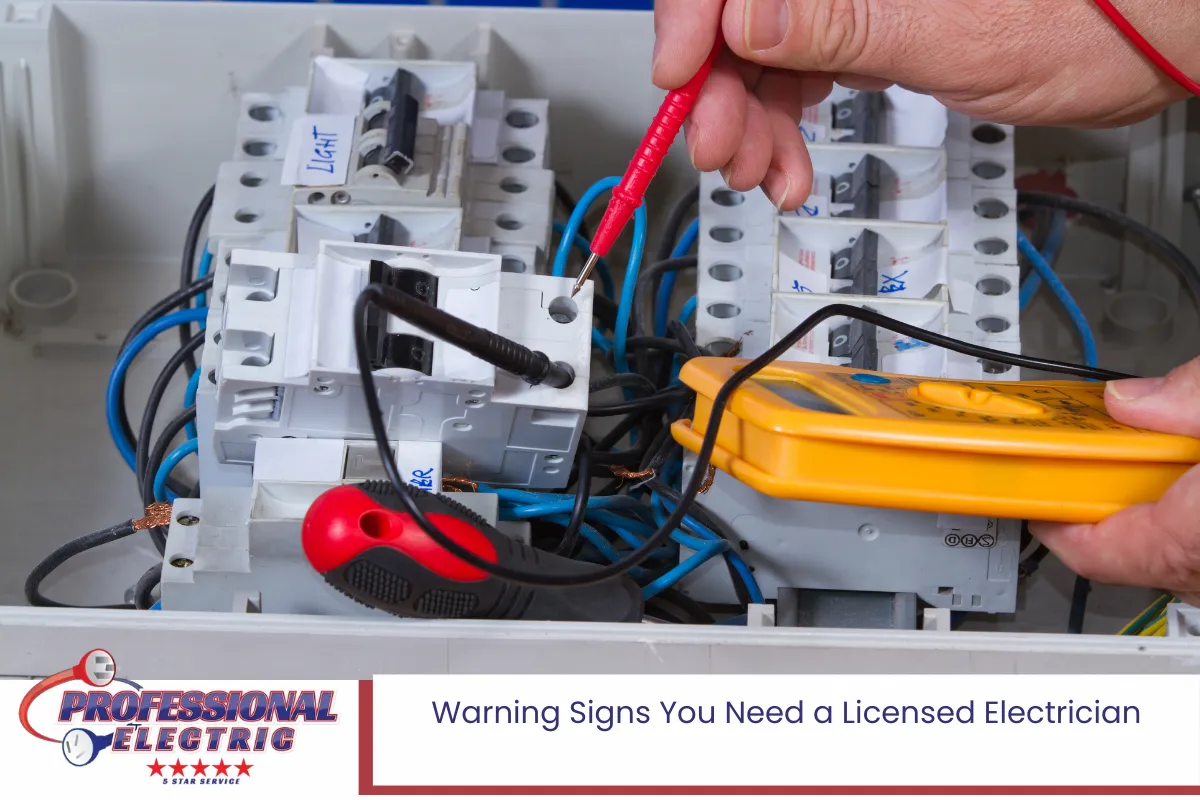
Call a professional if you notice:
- Burning smells near outlets
- Frequent breaker trips
- Flickering lights
- Warm switch plates
- Buzzing sounds from panels
These are not minor inconveniences. They are early warning signs of deeper electrical problems.
The Bottom Line on Safety and Training
Electrical systems power every part of modern life, but they also carry inherent risks. Licensing ensures that electricians have proven knowledge, real-world experience, and a clear understanding of national and local safety standards. In a city like New Orleans, where environmental conditions add complexity, professional training is not optional—it’s essential.
Hiring a licensed electrician protects your property, your family, and your financial investment. Safety training, inspections, and code compliance are the foundation of reliable electrical service.
New Orleans Licensed Electrician – Professional Electric
At Professional Electric, we take safety seriously because your home and business depend on it. As a trusted licensed electrician in New Orleans, Louisiana, we follow all local permitting requirements and National Electrical Code standards on every job. Whether you need electrical repairs, a panel upgrade, or a complete electrical service installation, our experienced team delivers dependable results. We are an established electrical contractor committed to quality workmanship and honest communication. If you are dealing with flickering lights, outdated wiring, or planning a renovation, call us at (504) 858-0270 or fill out our contact form today. We are ready to provide safe, code-compliant solutions you can rely on.
Frequently Asked Questions
1. How long does it take to become a licensed electrician in Louisiana?
Becoming a licensed electrician typically takes four to five years of apprenticeship training combined with classroom education. Apprentices must complete thousands of supervised work hours before qualifying to sit for licensing exams. The process ensures mastery of electrical theory, installation techniques, and safety procedures. After passing required exams, applicants may register or obtain licensing depending on the scope of work. Continuing education may also be necessary to stay current with updated codes. This structured pathway ensures that anyone offering professional electrical service has both knowledge and practical experience before working independently.
2. Does homeowners insurance require electrical work to be licensed?
Many insurance providers expect electrical work to be performed by a licensed professional, especially for major upgrades or repairs. If unlicensed work causes damage, an insurance company may deny a claim. This is particularly important for panel replacements, generator installations, and whole-home rewiring. Documentation of permits and inspections helps support insurance compliance. Before starting significant electrical repairs, it’s wise to confirm coverage requirements with your provider. Hiring a licensed electrician reduces financial risk and provides documentation proving the work met local safety standards.
3. Are permits required for small electrical repairs in New Orleans?
Minor repairs like replacing a light fixture or outlet may not always require permits, but larger projects typically do. Panel upgrades, service changes, new circuits, and major installations generally require city permits and inspections. Requirements can vary depending on the project scope. A licensed electrician understands when permits are necessary and handles the application process. Skipping required permits can lead to fines or complications during home sales. When in doubt, consulting a professional helps ensure compliance with New Orleans building regulations.
4. What is the difference between a journeyman and a master electrician?
A journeyman electrician has completed apprenticeship training and passed an exam demonstrating competence in electrical work. A master electrician has additional experience and has passed a more advanced examination covering system design, code interpretation, and supervisory responsibilities. Master electricians often oversee large projects and manage other electricians. Both are trained professionals, but the master designation reflects a higher level of expertise. Understanding this distinction can help property owners choose the right professional for complex installations or commercial electrical service needs.
5. How often should a home’s electrical system be inspected?
Electrical systems should generally be inspected every 3 to 5 years, especially in older homes. Inspections are also recommended before purchasing a property, after major renovations, or if you notice warning signs like breaker trips or flickering lights. In storm-prone regions like New Orleans, inspections after significant flooding or hurricane events are particularly important. A licensed electrician can assess wiring integrity, grounding systems, and panel condition. Routine inspections help identify hazards early and extend the life of your electrical infrastructure.
Disclaimer: This article is for general informational purposes only and does not constitute legal or professional advice. Electrical work should always be performed by a properly licensed professional in accordance with Louisiana state laws and New Orleans municipal regulations.
Read Are Electrical Repairs in New Orleans, LA Covered by Home Insurance?