
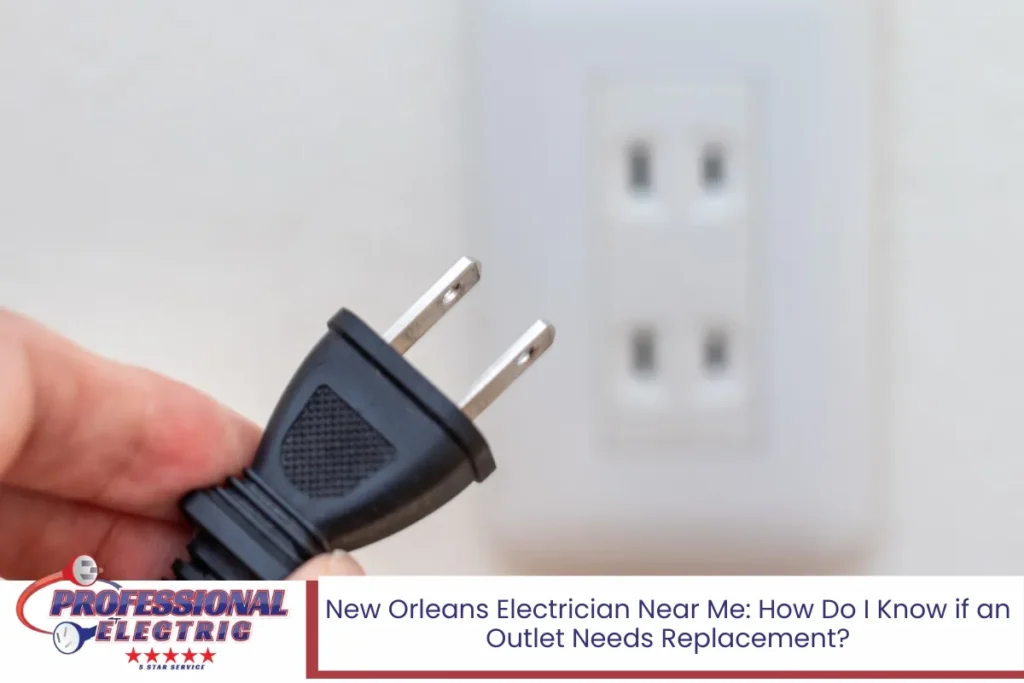

“New Orleans Electrician Near Me” is a phrase many homeowners type into Google when an outlet suddenly stops working, feels hot, or sparks without warning. A faulty outlet might seem minor, but ignoring it can lead to electrical fires, damaged appliances, or serious safety hazards. In older homes across New Orleans, aging wiring and moisture can make outlets more vulnerable to failure. The good news? There are clear warning signs that tell you when it’s time for replacement. In this guide, you’ll learn how to recognize dangerous outlet problems, understand local safety codes, and know when to call a licensed electrician for safe and reliable electrical repairs.
Why Faulty Outlets Are More Than a Minor Annoyance
An electrical outlet is one of the most used components in your home. From charging phones to powering refrigerators, outlets handle a constant flow of electricity. When they fail, the risks go beyond inconvenience.
According to national fire safety data, electrical distribution systems are a leading cause of residential fires. Damaged receptacles, loose connections, and overloaded circuits often contribute to overheating and arcing.
In New Orleans, older properties—especially historic homes—may still have outdated wiring systems. If your home was built decades ago and hasn’t had a modern electrical service upgrade, your outlets could be overdue for replacement.
Ignoring warning signs increases the risk of:
- Electrical shock
- Appliance damage
- Circuit overload
- Fire hazards
- Code violations
That’s why many homeowners search for “electrician near me” as soon as they notice something unusual.
Clear Signs Your Outlet Needs Replacement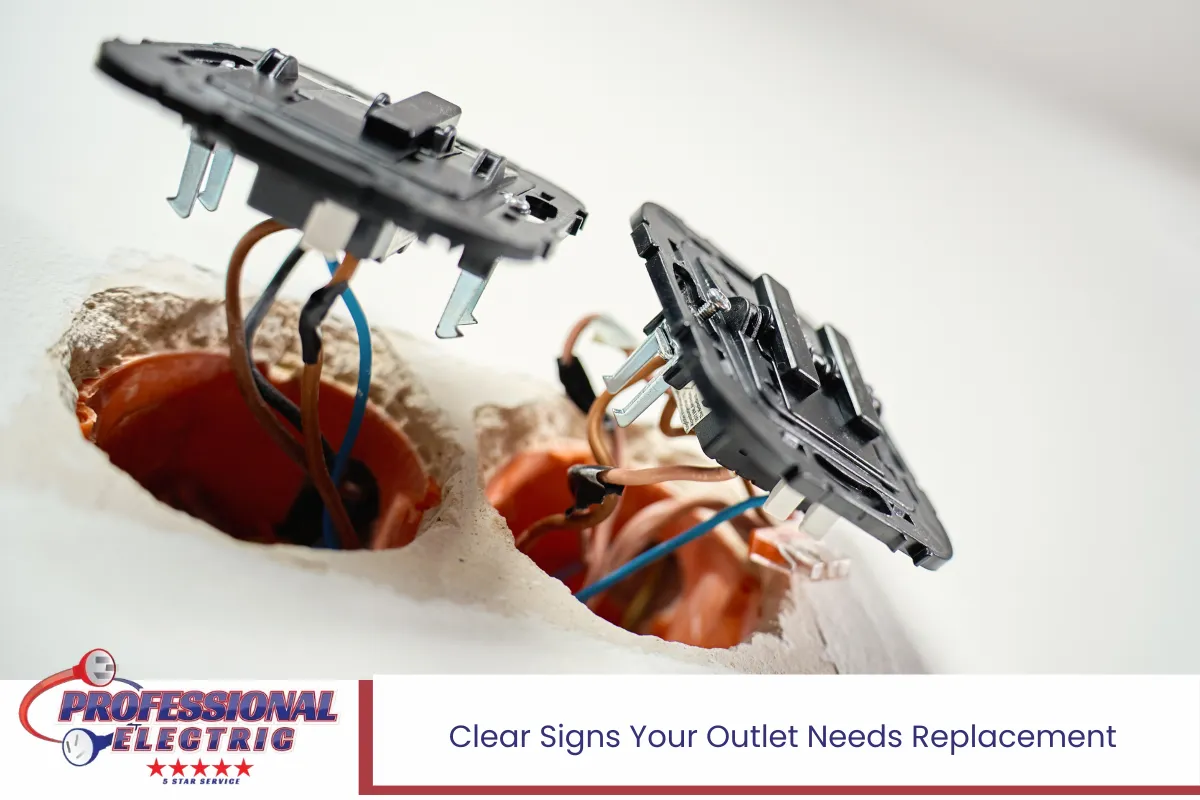
1. The Outlet Feels Warm or Hot
Outlets should never feel hot to the touch. Slight warmth from heavy use might occur, but persistent heat indicates a wiring problem or overloaded circuit.
Heat buildup often results from loose connections behind the wall. These loose wires can cause arcing, which generates dangerous temperatures. A licensed electrician can inspect and determine whether simple electrical repairs or full outlet replacement is necessary.
2. Burn Marks or Discoloration
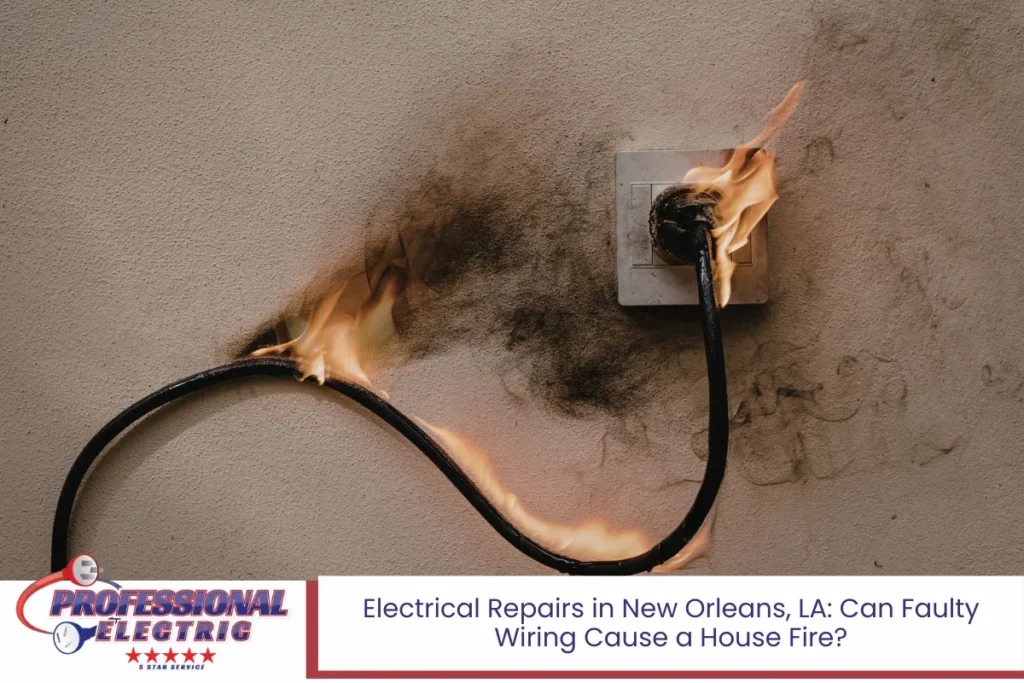
Black scorch marks, melted plastic, or brown discoloration are serious warning signs. These marks usually mean that arcing or overheating has already occurred.
If you notice a burning smell coming from an outlet, turn off the circuit breaker immediately and contact an electrical contractor. Do not continue using that outlet.
3. Sparks When Plugging In Devices
A tiny spark can sometimes occur when plugging in high-powered appliances. However, frequent or large sparks are not normal.
This could indicate:
- Short circuits
- Faulty wiring
- Worn-out receptacles
- Damaged insulation
If sparks are consistent, it’s time to look up “electrician near you” and schedule an inspection.
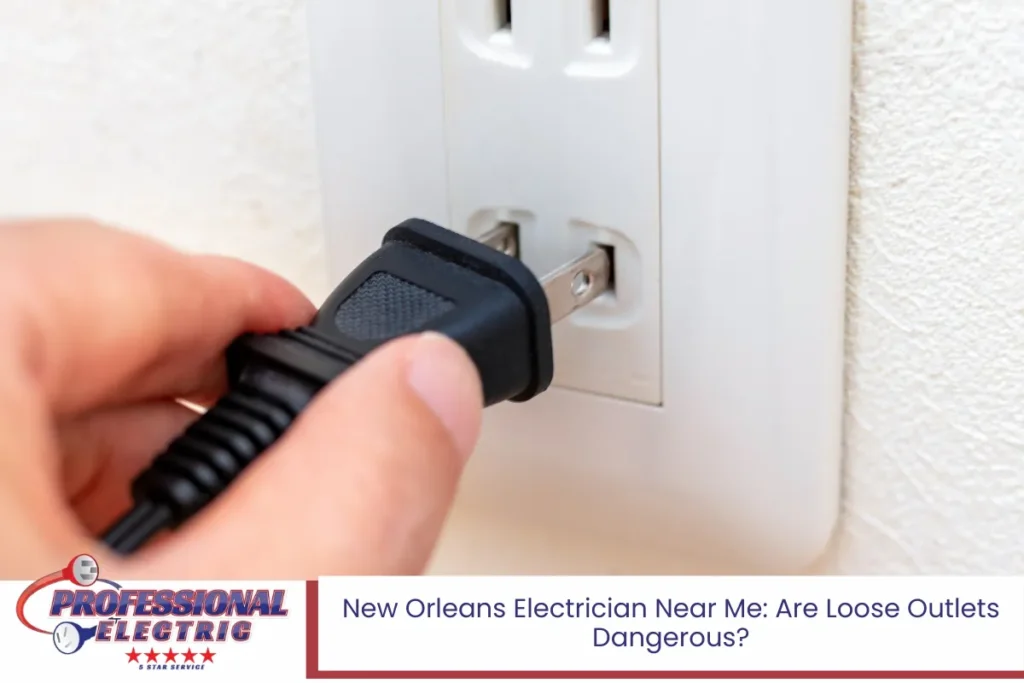
4. Loose or Wobbly Plugs
When plugs fall out easily or feel loose, the internal contacts may be worn out. Over time, the metal components lose tension and fail to hold plugs securely.
Loose outlets can cause arcing and intermittent power issues. Replacement is typically the safest solution.
5. Dead Outlets That Don’t Reset
Sometimes an outlet stops working because of a tripped breaker. But if the breaker is fine and the outlet remains dead, there could be internal damage.
In kitchens, bathrooms, garages, and outdoor areas, GFCI outlets are required by modern safety codes. If a GFCI won’t reset, it may need replacement.
GFCI Outlets and Code Compliance in New Orleans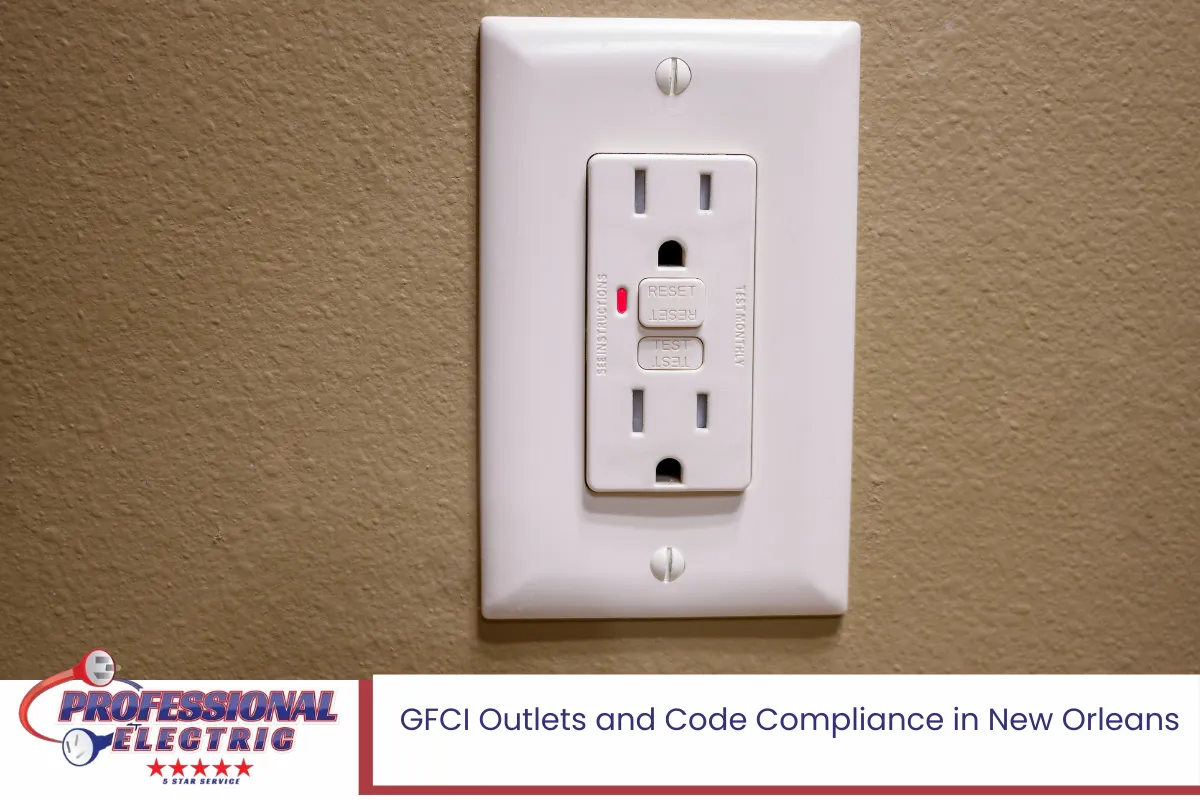
Louisiana follows the National Electrical Code (NEC), which outlines safety requirements for residential electrical systems. New Orleans enforces these codes for renovations and electrical repairs.
GFCI (Ground Fault Circuit Interrupter) outlets are required in areas exposed to moisture, including:
- Bathrooms
- Kitchens (countertop areas)
- Laundry rooms
- Garages
- Outdoor locations
If your home lacks GFCI protection in these areas, you may not be code compliant.
Older homes often need upgrades performed by a licensed electrician to meet current safety standards. Hiring a qualified electrical contractor ensures the work passes local inspections and protects your household.
The Impact of New Orleans Climate on Electrical Outlets
New Orleans has high humidity, heavy rainfall, and occasional flooding. Moisture can seep into walls and electrical boxes, accelerating corrosion.
Corrosion leads to:
- Rusted terminals
- Weak electrical connections
- Increased resistance
- Higher risk of overheating
If you’ve experienced flooding or water intrusion, it’s wise to have your electrical service inspected. Water-damaged outlets should always be replaced, not repaired.
When Age Becomes the Problem
Outlets don’t last forever. Most standard receptacles have a lifespan of 15 to 25 years, depending on usage and installation quality.
If your home is older and outlets have never been replaced, you might notice:
- Cracked faceplates
- Two-prong outlets without grounding
- Outdated aluminum wiring connections
Two-prong outlets, in particular, lack grounding protection. Upgrading to modern three-prong grounded outlets improves safety and allows you to use surge protectors effectively.
Searching for “electrician near me” becomes common when homeowners realize their outlets simply aren’t designed for today’s electrical demands.
Aluminum Wiring and Outlet Safety
Some homes built in the 1960s and 1970s used aluminum wiring instead of copper. Aluminum expands and contracts more than copper, which can loosen connections over time.
Loose aluminum connections increase fire risk. Special connectors and approved devices are required when replacing outlets connected to aluminum wiring.
A licensed electrician familiar with Louisiana building standards can identify and properly address aluminum wiring issues.
Circuit Overload vs. Bad Outlet: How to Tell the Difference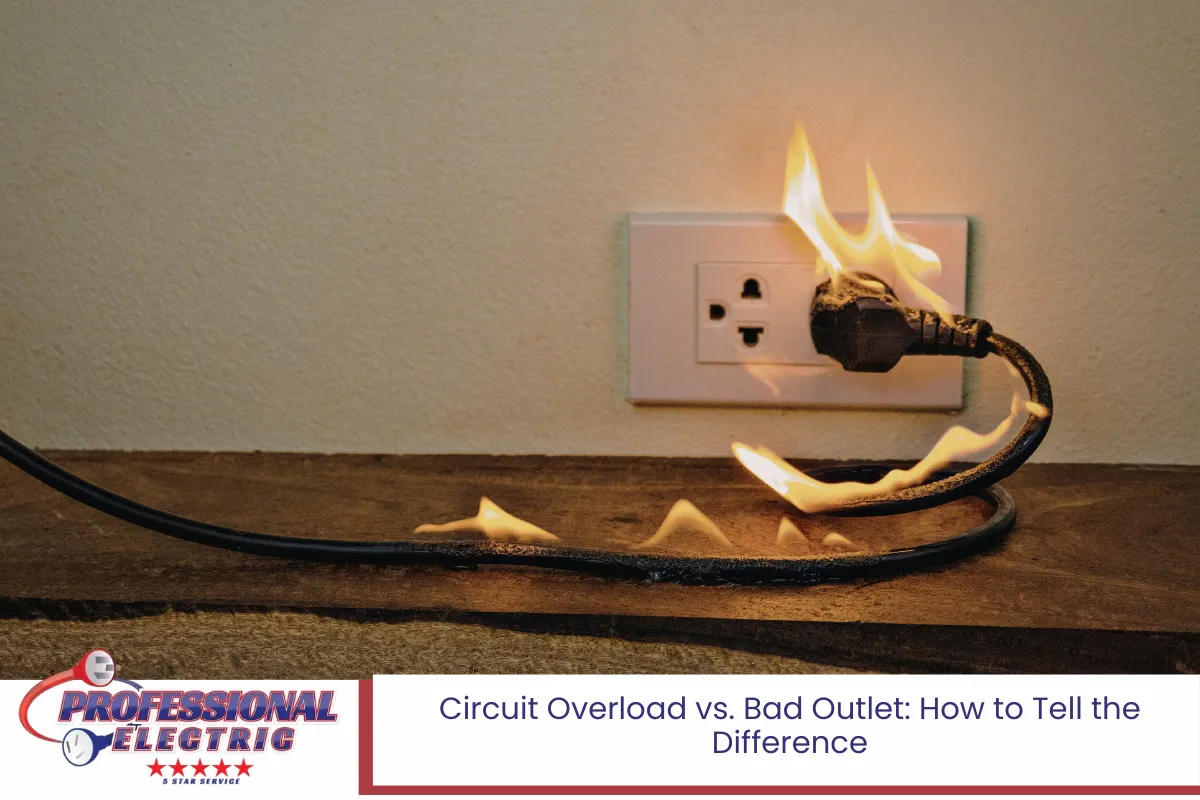
Not every electrical issue means the outlet itself is defective.
Here’s a quick comparison:
Possible Circuit Overload:
- Breaker trips frequently
- Multiple outlets lose power
- Large appliances cause shutdown
Possible Outlet Failure:
- Only one outlet stops working
- Outlet feels warm
- Visible damage or discoloration
An experienced electrical contractor can test voltage, inspect wiring, and determine the true source of the problem.
Read New Orleans Electrician Near Me: Are Loose Outlets Dangerous?
Smart Outlets and USB Upgrades
Modern homes often upgrade outlets to include:
- USB charging ports
- Tamper-resistant receptacles
- Smart outlets with Wi-Fi control
- AFCI (Arc Fault Circuit Interrupter) protection
Tamper-resistant outlets are required in new construction to protect children from inserting objects into the slots.
If you’re remodeling, upgrading outlets during renovations improves safety and convenience. Many homeowners searching for “electrician near you” are also interested in energy-efficient upgrades.
The Dangers of DIY Outlet Replacement
Replacing an outlet might look simple online, but mistakes can be dangerous.
Common DIY errors include:
- Incorrect wire connections
- Over-tightened terminal screws
- Failing to turn off power properly
- Improper grounding
In Louisiana, significant electrical work may require permits depending on scope. Licensed professionals understand local requirements and inspection procedures.
Hiring a licensed electrician protects you from:
- Code violations
- Insurance complications
- Fire hazards
- Personal injury
Electrical repairs should never be taken lightly.
How a Professional Electrician Diagnoses Outlet Problems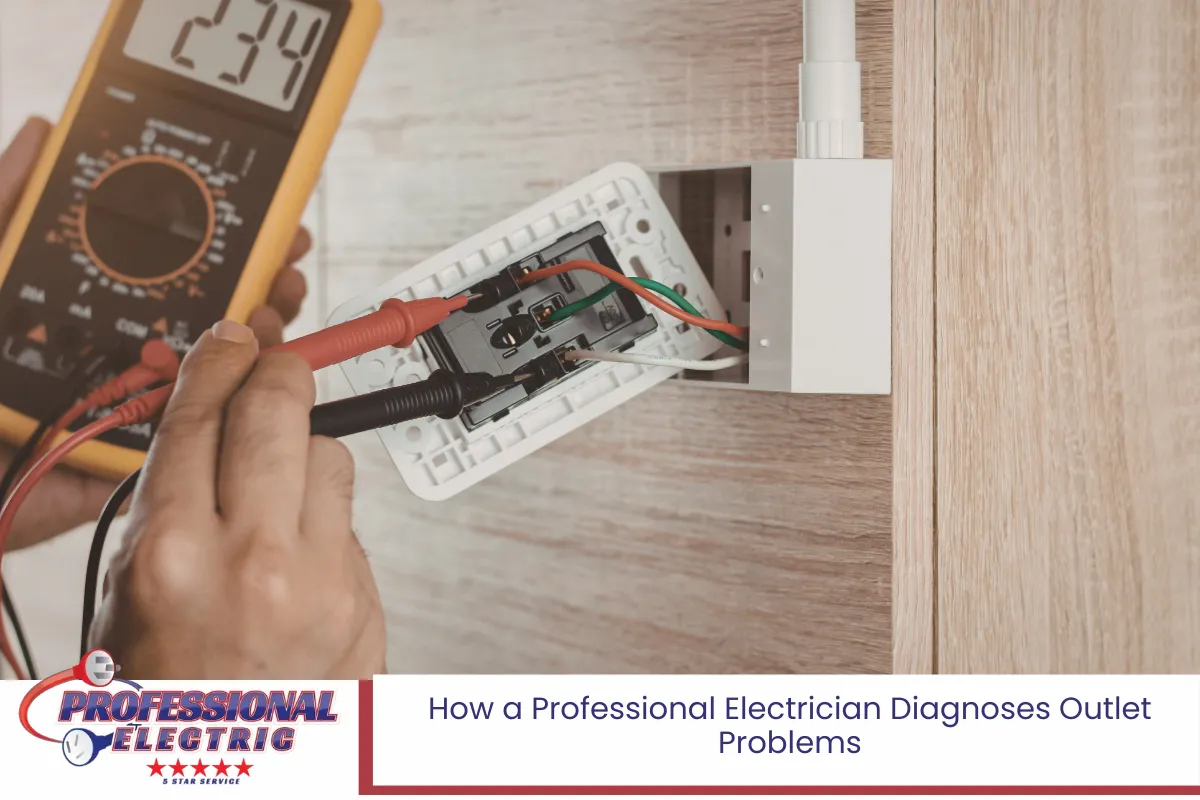
A qualified electrician typically:
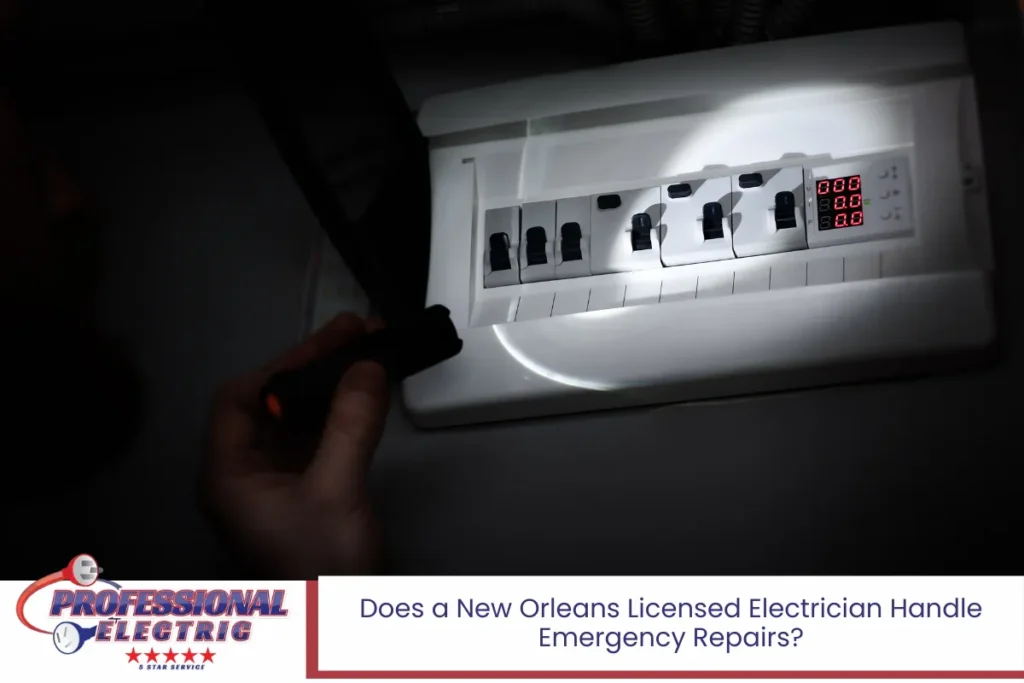
- Turns off power at the breaker panel.
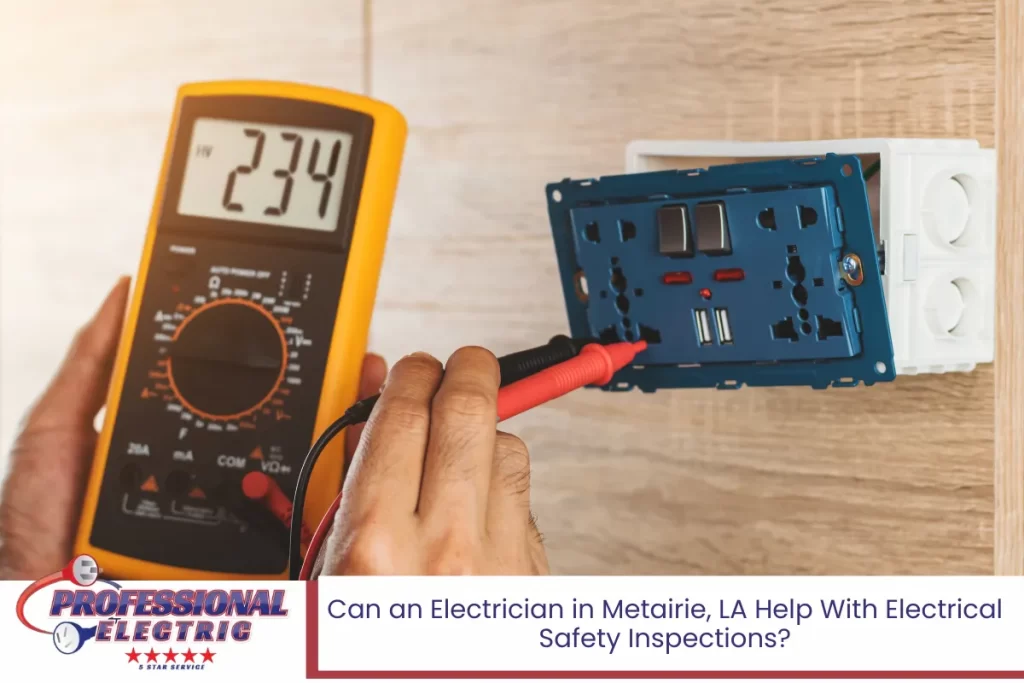
- Tests voltage using professional tools.
- Inspects wiring connections.
- Checks for corrosion or insulation damage.
- Verifies grounding and polarity.
- Ensures compliance with NEC standards.
After diagnosis, they may recommend replacement, rewiring, or upgrading the circuit.
Professional electrical service ensures the issue is fully resolved—not temporarily patched.
Warning Signs You Should Call Immediately
Certain situations require urgent attention:
- Burning smell
- Repeated breaker trips
- Buzzing sounds
- Visible sparks
- Flickering lights near the outlet
These symptoms may indicate arcing or short circuits. Prompt electrical repairs reduce the risk of fire.
Cost Factors for Outlet Replacement in New Orleans
The cost of replacing an outlet depends on:
- Type of outlet (standard, GFCI, smart)
- Wiring condition
- Accessibility
- Permit requirements
- Additional repairs needed
While basic replacements are typically affordable, damaged wiring behind the wall may increase costs.
Hiring a reputable electrical contractor ensures transparent pricing and safe installation.
Protecting Your Home With Preventative Maintenance
Routine inspections can prevent outlet failure. Consider scheduling periodic electrical service if:
- Your home is over 25 years old
- You’ve added major appliances
- You notice frequent breaker trips
- You’ve had storm or flood damage
Preventative maintenance reduces emergency repairs and improves safety.
Why Professional Installation Matters
Improper outlet installation can void warranties or create long-term hazards. Licensed professionals carry proper insurance and understand local electrical codes.
When homeowners search for “electrician near me,” they’re usually looking for reliability, safety, and peace of mind.
A properly installed outlet:
- Meets NEC standards
- Is securely grounded
- Has correct polarity
- Handles rated amperage safely
Quality workmanship protects both your property and your family.
Don’t Ignore Small Electrical Problems
A single faulty outlet might seem minor today, but it can signal larger wiring issues behind the walls.
Small warning signs often precede serious failures. Acting early reduces risk and prevents costly damage.
If you suspect an issue, contacting an electrician near you for evaluation is always the safest step.
New Orleans Electrician Near Me – Professional Electric
At Professional Electric, we know how frustrating and dangerous a faulty outlet can be. If you’ve been searching for electrician near me in New Orleans, Louisiana, our team is ready to help. We provide reliable electrical service, safe outlet replacement, and expert electrical repairs that meet all local codes. Our licensed electrician team carefully inspects wiring, identifies hazards, and ensures every installation is done right the first time. Whether you need a simple outlet upgrade or a full safety inspection, we respond quickly and professionally. Call us today at (504) 858-0270 or fill out our contact form to schedule service. Let Professional Electric restore safety and power to your home.
Frequently Asked Questions
1. Can a bad outlet increase my electricity bill?
Yes, in some cases. A damaged outlet with loose wiring can create resistance, causing electrical inefficiency. When resistance increases, devices may draw more current to function properly. Over time, this wasted energy can slightly increase electricity costs. While the impact may not be dramatic, persistent inefficiency combined with other wiring issues can add up. Additionally, overheating outlets may stress connected appliances, reducing their lifespan. If you suspect energy waste from a faulty receptacle, having a licensed electrician inspect the system can identify hidden issues contributing to higher energy usage.
2. Are tamper-resistant outlets required in older homes in New Orleans?
Tamper-resistant outlets are required in new construction and major renovations under the National Electrical Code. Older homes are generally not required to retrofit existing outlets unless significant remodeling is performed. However, upgrading improves safety, especially in homes with children. Tamper-resistant receptacles contain internal shutters that prevent foreign objects from being inserted. If you’re updating electrical components or pulling permits for renovation in New Orleans, installing modern outlets may be necessary to pass inspection. Consulting an electrical contractor ensures compliance with current requirements.
3. What is the difference between AFCI and GFCI outlets?
AFCI (Arc Fault Circuit Interrupter) outlets protect against arc faults caused by damaged or loose wiring that could start fires. GFCI outlets protect against ground faults that can cause electric shock, especially in wet areas. Both serve different safety purposes. AFCI protection is typically required in bedrooms and living spaces, while GFCI protection is required in kitchens, bathrooms, garages, and outdoor areas. Some modern breakers combine both protections. A licensed electrician can determine which type your home needs based on code and layout.
4. How long does it take to replace a standard outlet?
Replacing a standard outlet usually takes about 20 to 40 minutes when wiring is in good condition. However, if the electrician discovers damaged wiring, improper grounding, or code violations, the repair time may increase. GFCI or smart outlet installations can also take longer due to additional wiring checks and testing. The exact timeline depends on accessibility and condition. Professional installation ensures proper polarity, grounding, and secure connections that meet safety standards.
5. Should I replace all outlets at once if one fails?
Not necessarily. If a single outlet fails due to wear, replacing only that outlet may be sufficient. However, if your home has aging wiring, multiple loose outlets, or outdated two-prong receptacles, replacing several at once may be more cost-effective. A full inspection helps determine whether the issue is isolated or systemic. In older New Orleans homes, upgrading multiple outlets can improve safety, functionality, and overall compliance with modern electrical codes.
Disclaimer: This article is for informational purposes only and does not replace professional electrical advice, diagnosis, or service. Electrical work should be performed by a licensed electrician in accordance with Louisiana laws and local building codes.
Read Does a New Orleans Licensed Electrician Handle Emergency Repairs?