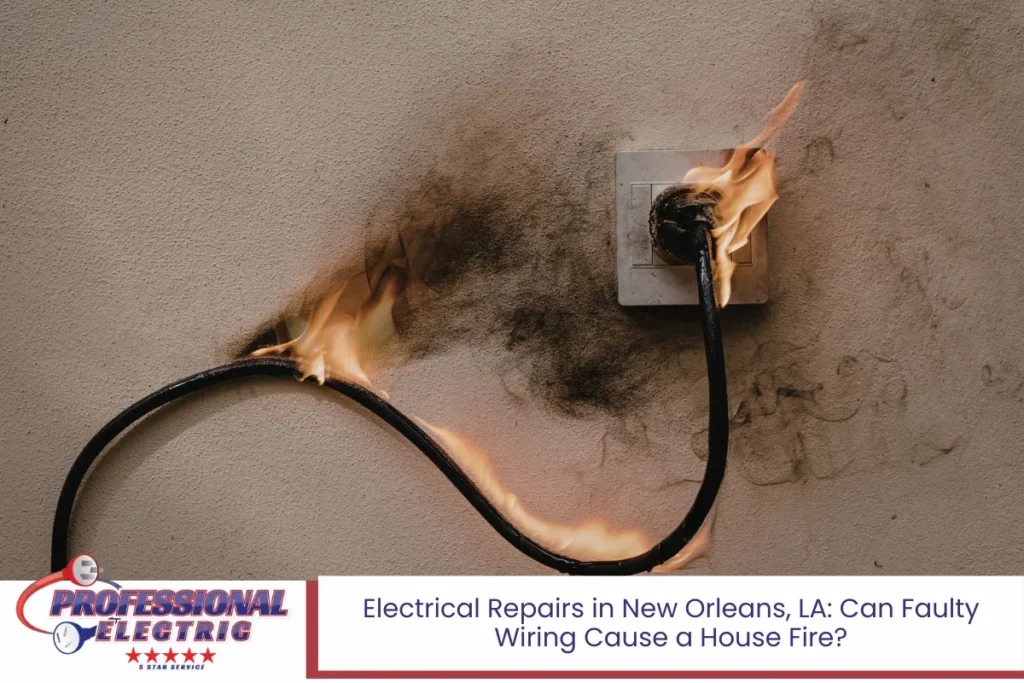


Electrical repairs in New Orleans, LA can quickly turn into expensive, stressful emergencies for homeowners. The problem often begins small—maybe a flickering light, a warm outlet, or a tripped breaker—but when ignored, these signs can escalate into serious electrical issues that put your home and family at risk. Left unresolved, they may lead to overloaded circuits, damaged appliances, or even electrical fires.
Homeowners often feel overwhelmed because electrical systems are complex and not as easy to fix as other home repairs. The frustration grows when DIY attempts fail or worsen the problem, creating costly delays.
The solution is prevention. By learning how to protect your electrical system, understanding when to call a professional electrician, and following safety standards, you can avoid unnecessary electrical repair costs while ensuring your home runs smoothly.
The Foundation of a Safe Electrical System in New Orleans Homes

Why Every Homeowner Should Understand Electrical Components and Systems
A well-functioning electrical system is the backbone of modern living. From powering appliances to keeping your lights and outlets reliable, every component has a role. Understanding the essentials helps homeowners spot early warning signs before they escalate into major electrical repair projects.
Key electrical components include:
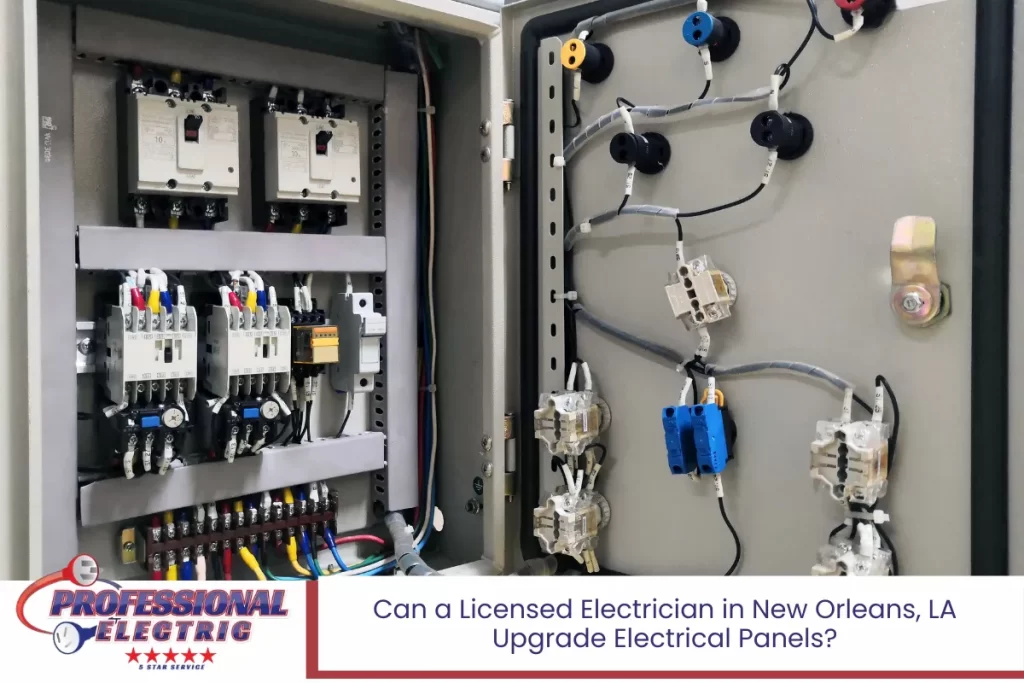
- Electrical panel or main electrical panel – distributes electricity throughout the home.
- Circuit breakers and fuses – protect against overloads by cutting off current.
- Outlets and switches – allow safe access to electricity.
- Grounding wires and GFCI outlets – prevent shocks by redirecting dangerous current.
When these parts fail due to age, poor wiring, or overloaded circuits, the home becomes vulnerable to hazards.
Common Electrical Issues That Lead to Repairs

Early Warning Signs in Your Home
Homeowners in New Orleans often face recurring electrical issues due to humidity, aging infrastructure, and outdated wiring. Some of the most common signs include:
- Flickering lights – can indicate loose wiring or overloaded circuits.
- Frequent breaker trips – a signal that the load is too high for the electrical panel.
- Warm outlets or switches – possible short circuits or failing wiring.
- Buzzing sounds or burning smells – urgent signs of electrical work needed immediately.
- Sparking outlets – potentially dangerous and requiring emergency electrician services.
Ignoring these signs doesn’t just risk appliances or home repairs—it threatens overall electrical safety.
Preventing Electrical Repairs Through Routine Checks
Regular Inspections by a Licensed Electrician
One of the smartest steps homeowners can take is scheduling annual inspections with licensed electricians. A professional electrician can identify hidden problems such as deteriorating wiring, improperly grounded systems, or overloaded circuits.
Regular checkups often include:
- Testing GFCI outlets near water sources.
- Examining circuit breakers for wear.
- Checking load distribution across circuits.
- Inspecting the main electrical panel for rust, corrosion, or outdated components.
- Ensuring compliance with local electrical codes in Orleans Parish.
Hiring a professional electrician is not just about repairs; it’s about prevention and long-term savings.
Electrical Safety Practices Every Homeowner Should Follow

Installation Safety Tips to Reduce Risks
Even if you hire professionals for most electrical work, basic safety practices help prevent accidents. Homeowners should remember:
- Always use insulated tools.
- Wear rubber-soled shoes when near electricity.
- Put on safety glasses to protect from sparks.
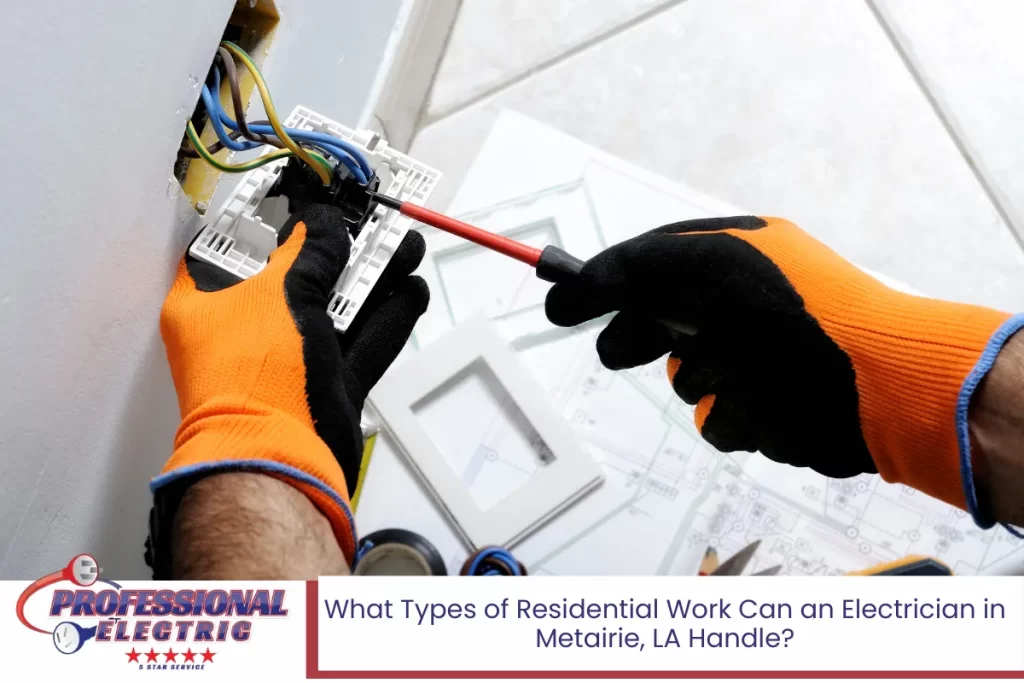
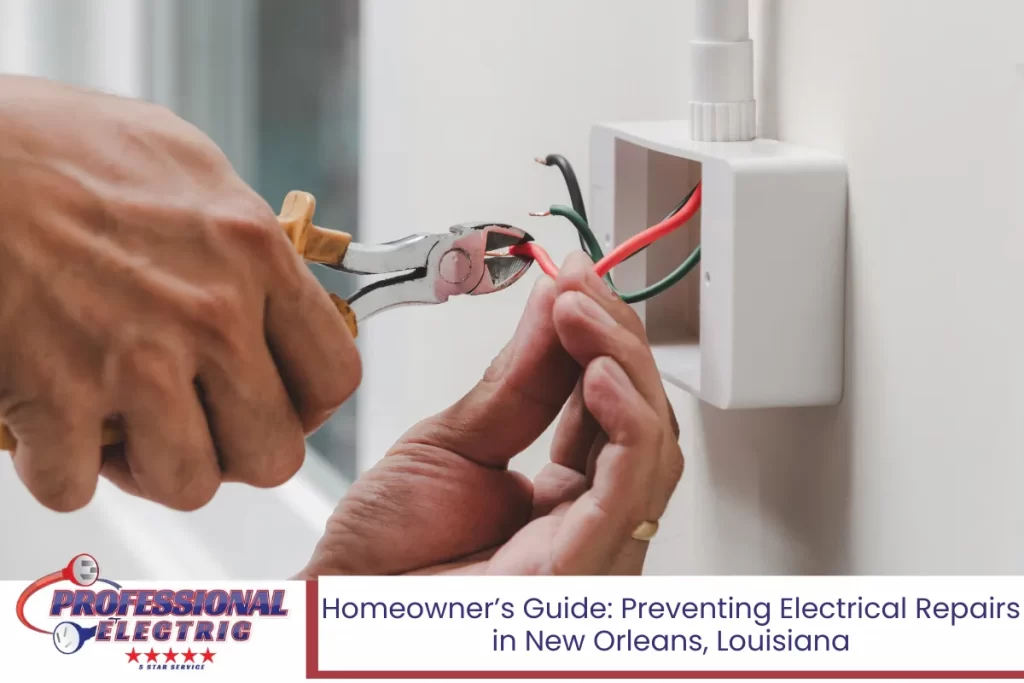
- Turn off the breaker before working on an outlet or switch.
- Never overload power outlets with too many appliances.
Following these simple practices reduces the likelihood of electrical repair emergencies and helps maintain a safe home environment.
Understanding Overloaded Circuits in Older Homes
Why New Orleans Homes Are Especially Vulnerable
Many homes in New Orleans are historic, built before today’s electrical demands. Older wiring systems weren’t designed to handle modern appliances, high-voltage electronics, or EV charger installation. As a result, overloaded circuits are common.
Warning signs include:
- Circuit breaker trips when multiple appliances run at once.
- Dimming lights when turning on a microwave or vacuum.
- Outlets warm to the touch.
Upgrading the electrical panel or redistributing load across circuits often resolves these issues, but it must be handled by licensed electricians who understand local codes and the Department of Safety and Permits regulations.
Electrical Troubleshooting for Homeowners

When DIY Enthusiasm Helps and When It Hurts
The DIY craze has inspired many homeowners to try fixing things themselves, including electrical work. While some small tasks, like replacing a switch cover or testing a GFCI outlet, may be safe for those with basic knowledge, electrical troubleshooting can quickly become dangerous.
Even with welding experience or confidence handling electrical supplies, the risks are high. Mistakes can void home insurance policies, create hidden hazards, or compromise warranties on appliances and home repairs.
Safe homeowner troubleshooting includes:
- Testing outlets with a plug-in tester.
- Resetting a tripped breaker properly.
- Replacing damaged extension cords.
- Checking for signs of corrosion on the electrical panel.
Anything beyond these basics—especially rewiring, load balancing, or fuse replacement—should be left to a professional electrician.
Professional Electrician Services and Qualifications

Why Licensed Electricians Are Essential
Hiring a handyman may seem cheaper for electrical repairs, but only licensed electricians have the training, certification, and knowledge of safety standards to guarantee quality. In a city like New Orleans, where humidity and old infrastructure cause frequent electrical issues, this expertise is critical.
A professional electrician provides:
- Compliance with local building codes and the Minimum Property Maintenance Code.
- Accurate load calculations to prevent overloaded circuits.
- Safe installation of electrical components and systems.
- Certified repairs that protect home insurance policies.
Companies often showcase what professional services should look like—comprehensive, safety-driven, and backed by proper licensing.
Safety and Compliance for New Orleans Homeowners
Meeting Local Building Codes and Safety Standards
New Orleans has its own local electrical codes that must be followed. These regulations, enforced by the Department of Safety and Permits in Orleans Parish, ensure installations meet safety standards.
Homeowners should keep in mind:
- GFCI outlets are required in kitchens, bathrooms, garages, and outdoor spaces.
- All new installations must meet load requirements for modern appliances.
- Electrical panels and breakers must have certification marks for reliability.
- Local codes mandate grounding and ground fault circuit interrupter protection.
Ignoring these requirements can lead to costly fines, failed inspections, or unsafe conditions.
Electrical Safety Gear for DIY Tasks
Protecting Yourself Before Touching Any Electrical Component
If homeowners decide to attempt very minor electrical repair or replacement, the right personal protective equipment is non-negotiable. Even simple wiring checks require preparation.
Essential gear includes:
- Rubber-soled shoes to insulate from ground.
- Safety glasses to shield from sparks.
- Insulated tools to prevent accidental current transfer.
- Non-conductive gloves for added protection.
These precautions reduce risks, but they don’t replace the need for a professional electrician when dealing with high-voltage systems or complex wiring.
Long-Term Strategies to Reduce Electrical Repairs

Maintenance Habits That Protect Your Electrical System
Preventing electrical repairs isn’t just about fixing problems as they arise—it’s about long-term maintenance. Homeowners can adopt the following habits to keep their systems safe:
- Schedule routine inspections – annual or bi-annual visits from licensed electricians.
- Test GFCI outlets monthly – press the “test” and “reset” buttons to ensure functionality.
- Label your electrical panel – so you know which breaker controls which room.
- Limit use of extension cords – they are temporary solutions, not long-term wiring.
- Upgrade outdated wiring – especially aluminum wiring found in older New Orleans homes.
These steps create a safer home environment while reducing the need for emergency electrical repair.
Related Home Services and Issues
How Other Systems Impact Electrical Work
Electrical systems often interact with other parts of a home. Homeowners should consider:
- Outdoor electrical installations – landscape lighting, pool equipment, or security systems must be grounded and protected with GFCI outlets.
- Gas appliance repairs – often require power connections; faulty wiring can disrupt both gas and electric systems.
- EV charger installation – electric cars place heavy load on the main electrical panel, often requiring breaker upgrades.
- Smart home devices – draw continuous current and may overload old circuits if not properly planned.
Coordinating these projects with a professional electrician ensures compliance with safety standards and avoids future issues.
Emergency Electrician Situations in New Orleans
When to Call Immediately
Some electrical issues cannot wait until morning. Homeowners should call an emergency electrician right away if they notice:
- Burning smells from outlets or switches.
- Repeated breaker trips after resetting.
- Smoke coming from the electrical panel.
- Shocks when touching appliances or outlets.
- Sparks or arcs visible from wiring.
Delays in these cases risk both property damage and personal safety. Licensed electricians in New Orleans are available for 24/7 response, and acting quickly often prevents catastrophic damage.
Navigating Local Regulations and Government Agencies
Staying Informed About Requirements in Orleans Parish
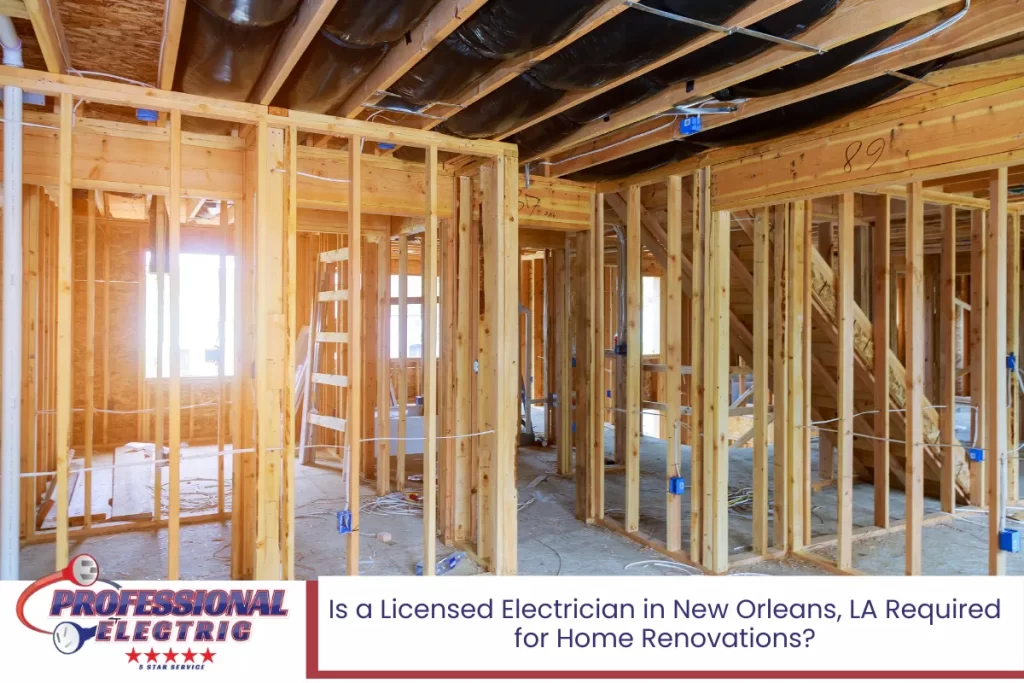
In New Orleans, the Department of Safety and Permits plays a central role in enforcing the Minimum Property Maintenance Code and other regulations. Homeowners planning renovations or electrical upgrades must obtain permits and inspections.
Common regulatory points include:
- Approval for electrical panel upgrades.
- Permits for new outdoor installations.
- EV charger installation requiring load calculations.
- Ensuring proper certification marks on new equipment.
Staying compliant not only avoids penalties but also ensures your electrical work meets national and local safety standards.
Building a Safer Future for Your Home
Protecting Your Family and Investment
Preventing electrical repairs is about more than saving money—it’s about protecting your home, family, and future. With aging infrastructure, unpredictable weather, and modern appliances demanding more power, New Orleans homeowners face unique challenges.
By combining preventative maintenance, safe DIY practices, and the expertise of a professional electrician, you can keep your electrical system strong and reliable. Regular attention to outlets, breakers, GFCI devices, and wiring ensures your home remains safe for years to come.
A Homeowner’s Step-by-Step Checklist for Preventing Electrical Repairs
Monthly Tasks
- Test all GFCI outlets by pressing “test” and “reset.”
- Inspect visible cords for wear or fraying.
- Check for flickering lights or buzzing switches.
Seasonal Tasks
- Reset and test the main electrical panel breakers.
- Inspect outdoor electrical installations before the heavy rain season.
- Verify that all appliances are plugged into proper outlets (avoid using multiple power strips).
Annual Tasks
- Schedule a licensed electrician inspection.
- Replace any outdated or damaged outlets and switches.
- Request a load assessment if adding new high-demand appliances or EV chargers.
- Review home insurance policies for coverage on electrical repairs and upgrades.
By following this checklist, homeowners minimize risks and extend the lifespan of their electrical system.
Why DIY Enthusiasm Must Be Balanced with Safety

The Hidden Risks of Improper Electrical Work
While it’s tempting to attempt electrical repairs yourself, the risks often outweigh the savings. For example:
- Incorrect wiring can create “phantom loads” that trip breakers.
- Using the wrong fuse or breaker size may cause fire hazards.
- Failure to meet local codes could invalidate warranties and insurance.
Even experienced DIY homeowners with welding experience or confidence handling tools can make mistakes. Unlike plumbing or carpentry, electrical systems hide dangers that aren’t always visible until it’s too late.
When in doubt, call a licensed professional electrician.
Future-Proofing Your Electrical System
Preparing for New Technologies and Lifestyle Needs
Modern lifestyles continue to push electrical systems harder. Homeowners in New Orleans should plan ahead for:
- Electric cars – EV charger installation requires dedicated circuits and often a new electrical panel.
- Smart homes – constant current draw from smart devices adds cumulative load.
- Energy-efficient appliances – though lower in voltage use, they require stable circuits to operate correctly.
- Outdoor living spaces – weatherproof power outlets and ground fault circuit interrupters are necessary for safety.
By anticipating these needs, homeowners avoid costly electrical repairs later and ensure their systems are ready for tomorrow.
How Local Regulations Protect Homeowners
The Role of Orleans Parish in Electrical Safety
Orleans Parish enforces electrical safety through the Department of Safety and Permits. Their oversight ensures that all electrical work—from small outlet changes to full panel replacements—meets the Minimum Property Maintenance Code.
Benefits for homeowners include:
- Assurance that installations meet load and voltage requirements.
- Verification that appliances and electrical components carry certification marks.
- Peace of mind knowing that systems comply with local codes and national safety standards.
Although navigating permits may feel inconvenient, these regulations ultimately protect families and property.
The Value of Professional Electrician Partnerships
Why Building a Relationship with a Trusted Electrician Matters
Instead of waiting for emergencies, homeowners benefit from creating an ongoing relationship with a trusted local electrician. A professional who understands your home environment can:
- Track the history of your electrical system.
- Recommend proactive upgrades.
- Provide emergency electrician services with priority response.
- Offer guidance on safe DIY practices and when to call for help.
This partnership creates consistency and confidence, ensuring your home remains safe and functional long-term.
Wrapping Up: Keeping Electrical Repairs Out of Your Future
Preventing electrical repairs in New Orleans, LA is less about luck and more about preparation. Homeowners who understand the basics of their electrical system, follow safety practices, and rely on licensed electricians are far less likely to face costly emergencies.
From recognizing warning signs like flickering lights or overloaded circuits to complying with Orleans Parish building codes, every step strengthens your home’s safety. Regular inspections, proper installation of outlets and switches, and long-term planning for new technologies like EV charger installation all contribute to a resilient electrical system.
Your home is one of your most valuable investments. Protect it by treating electrical work with the care it deserves. With proactive habits, the right equipment, and the guidance of professional electricians, you can enjoy peace of mind knowing your home is safe, efficient, and ready for the future.
Electrical Repairs in New Orleans, LA — Professional Electric

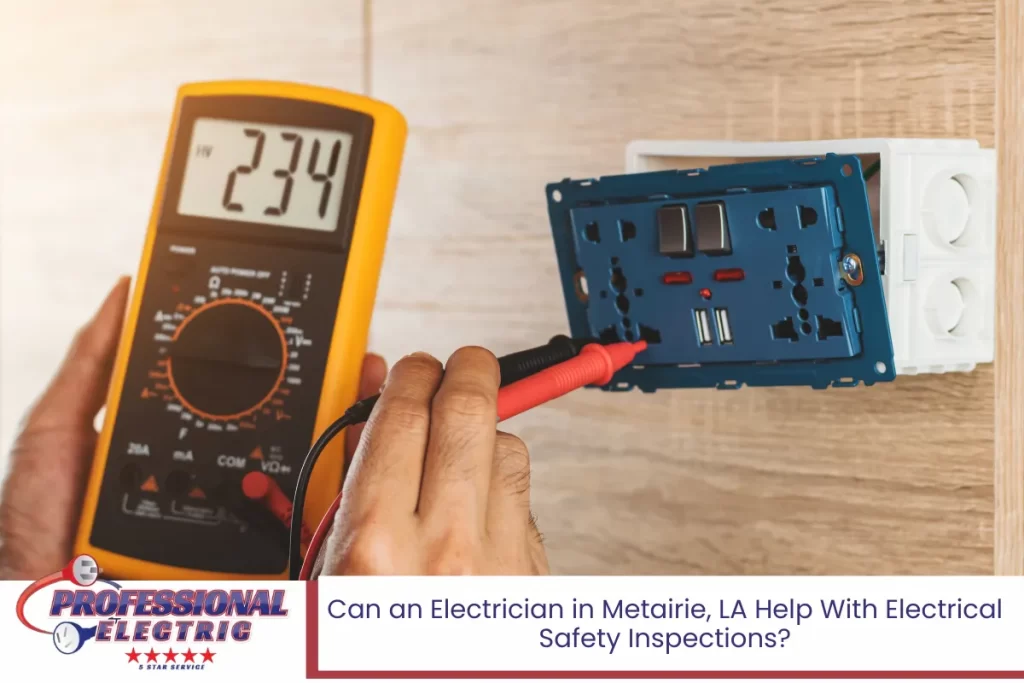
At Professional Electric, we know that electrical repairs are more than just fixing dead outlets or faulty equipment—they’re about protecting your home and family from safety hazards. Our licensed team proudly serves homeowners in the Greater New Orleans area, providing trusted electrical maintenance, upgrades, and emergency support. From handling fuse boxes and main panel issues to identifying safety risks like overloading circuits or surging power, our experts use advanced electrical supplies and technology, including voltage testers and tools with a wire detection feature, to ensure your home is safe.
If you’re experiencing electrical shocks, hot switches, or unexplained power outages, don’t wait—these can indicate hidden damage or deteriorating electrical wiring. Call Professional Electric today at (504) 858-0270 or fill out our contact form online. We provide quick service, financing options, and reliable support when you need an electrician in New Orleans.
Frequently Asked Questions
- What should I do if I keep experiencing power outages at home?
Frequent power outages can stem from overloading circuits, faulty equipment, or issues with your electric meter or main panel. A licensed electrician in New Orleans can inspect your electrical load and determine whether the issue is local or part of a larger grid problem. Preventive electrical maintenance and upgrading your system may be necessary.
- How can I tell if my home has electrical safety hazards?
Warning signs include hot switches, surging power, or dampness or deterioration around outlets. Fuse boxes, carbon monoxide detection devices, and a fire and smoke detection system should be inspected regularly. Ignoring these can lead to carbon monoxide poisoning or even fire risks.
- Why is it important to maintain ground wires and copper pipes?
Ground wires prevent electrical shocks, while copper pipes often run near electrical wiring. If not properly maintained, both can create safety risks. Regular checks help ensure safe operation and prevent accidents.
- What role does smart automation systems play in electrical safety?
Smart automation systems can monitor electrical load, detect faulty equipment, and alert you to potential safety hazards. They integrate with your fire and smoke detection system, enhancing protection for your family.
- Can Professional Electric help with financing options for repairs?
Yes. We understand electrical repairs can be unexpected. That’s why we offer flexible financing options so you can address issues quickly without delaying critical safety upgrades.
Read Metairie Electrician Advice: Warning Signs You Need Electrical Wiring Repair or a Full Panel Upgrade