
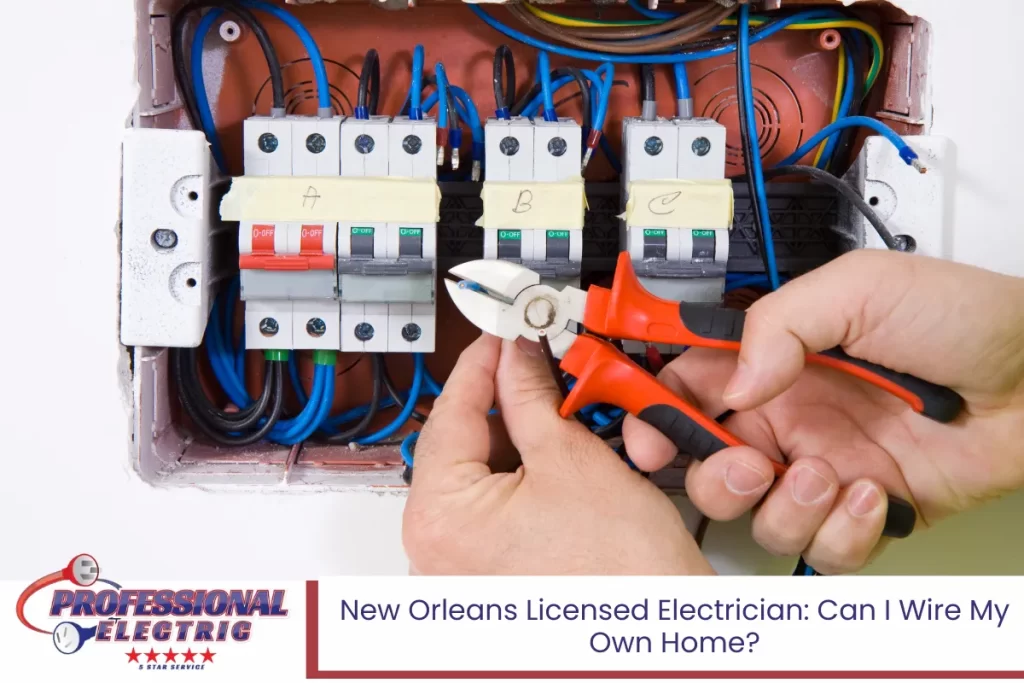

Are you wondering if you need a New Orleans licensed electrician to wire your own home, or if you can tackle the job yourself? You’re not alone! Many homeowners want to save money or enjoy the satisfaction of DIY efforts, but when it comes to electrical wiring, city laws and electrical standards make things tricky. Messing up can mean failed inspections, expensive repairs, or even dangerous electrical fires.
In New Orleans, getting this wrong could lead to power outages, insurance headaches, or even legal trouble. But don’t worry—this guide breaks down everything you need to know about electrical permits, safety protocols, and legal compliance in the Greater New Orleans area.
Whether you’re renovating, planning a home wiring installation, or just curious about your options, we’ll help you understand when you need a professional, what the law says, and how to keep your home safe and up to code.
Major vs. Minor Electrical Work: What’s the Difference for Homeowners?
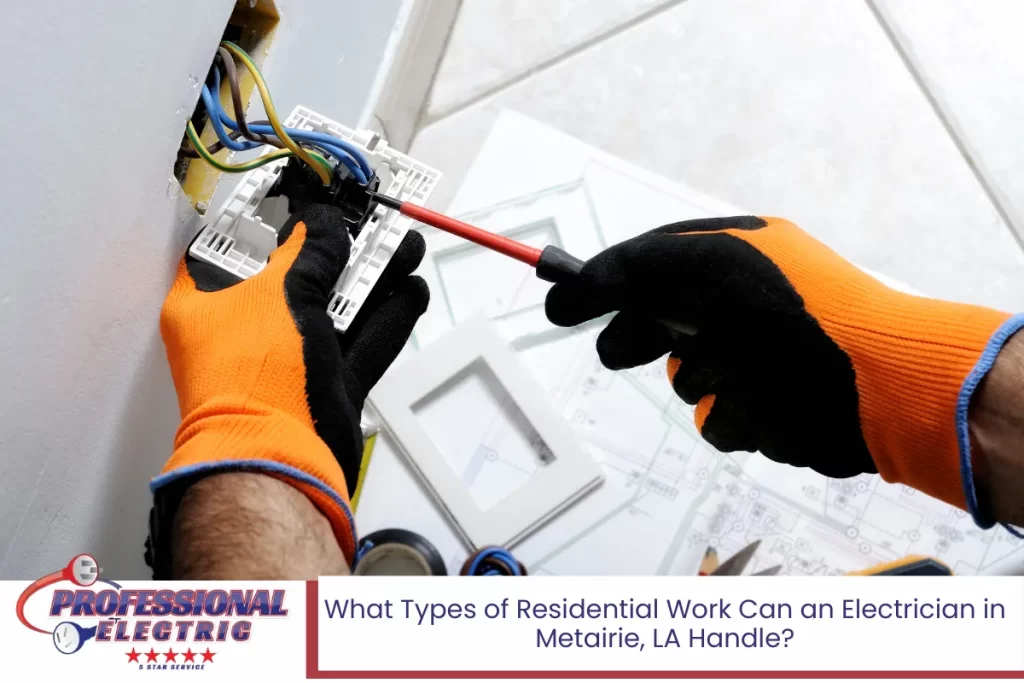
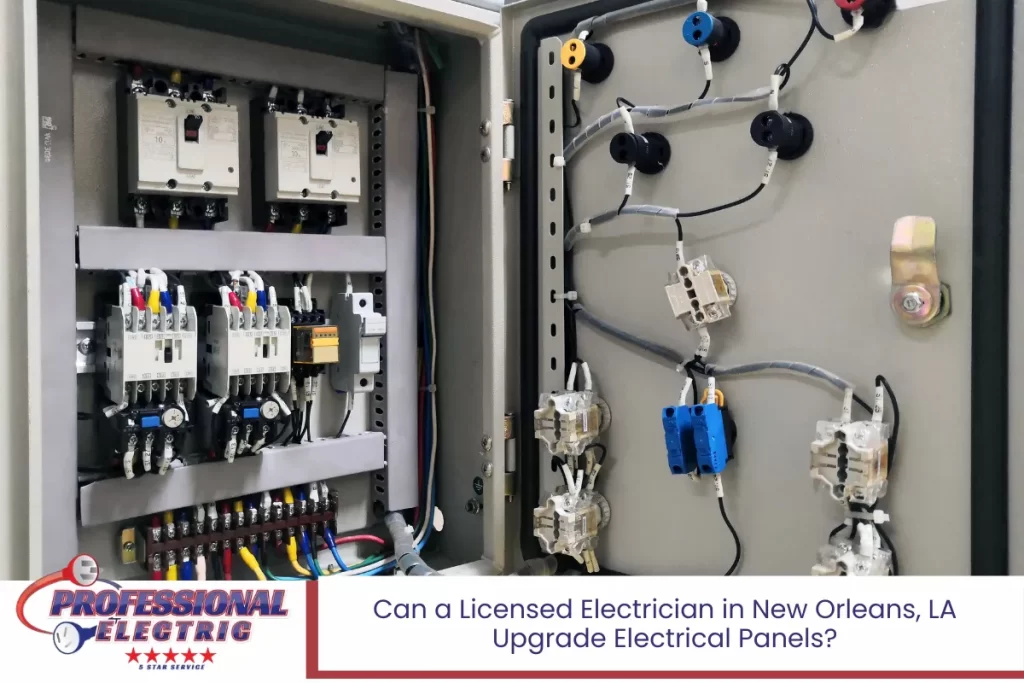
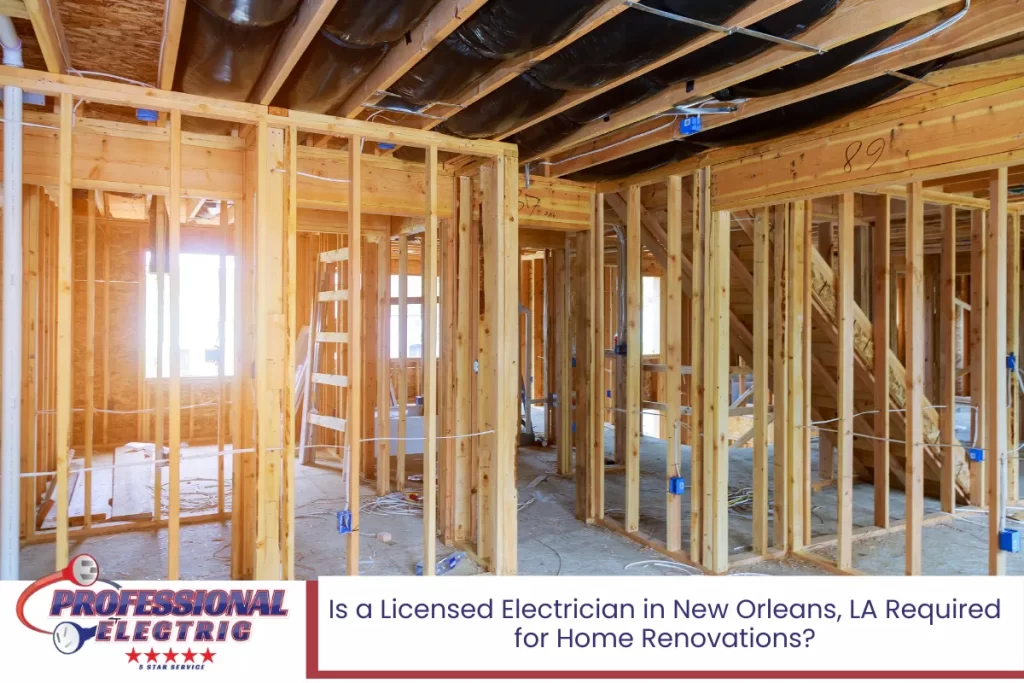
Home electrical work isn’t all the same. There’s a huge difference between plugging in a lamp and installing new electrical panel wiring. In New Orleans, minor electrical repairs—like replacing a light switch, swapping out a standard outlet for a GFCI outlet, or changing a lighting fixture—are generally seen as safe DIY projects for homeowners. However, major electrical work (such as rewiring services, electrical panel upgrades, EV charger wiring, ceiling fan wiring, pool and hot tub wiring, and home automation systems) goes far beyond simple fixes. These jobs often involve high-voltage connections, changes to your central electrical panel, and careful electrical configuration.
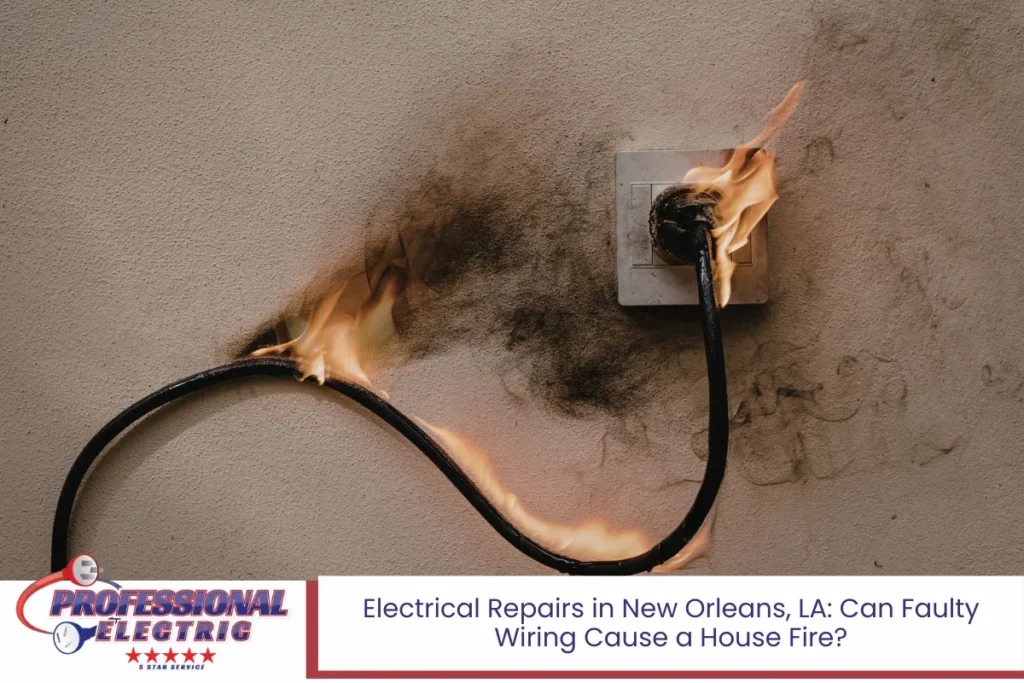
Electrical standards set by the National Electrical Code® (NEC) require that all system wiring—especially in a residential single-family dwelling—meets strict rules for safety and performance. Even with the right power tools and building plans, DIYers must understand electrical theory, grounding procedures, and technology circuits. Failing to follow safety protocols or using faulty wiring can lead to flickering lights, circuit breakers tripping, or even electrical fires. Always think twice before attempting a job that affects your home’s power needs.
City of New Orleans Electrical Codes, Permits, and the Law
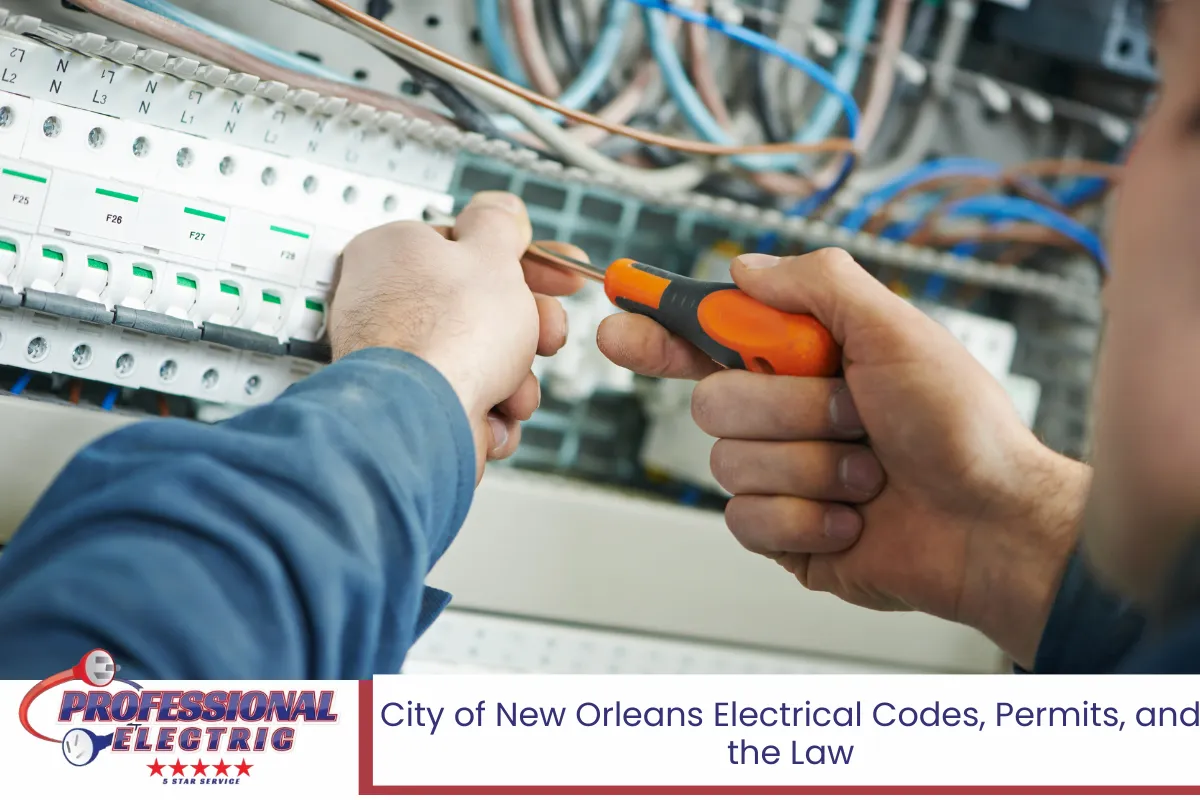
The City of New Orleans takes electrical safety seriously. The Department of Safety & Permits (through the local building department) oversees all electrical installation services and issues electrical permits for both small and large projects. According to the city’s code of ordinances, any electrical work that alters wiring, installs new systems, or changes your home’s electrical configuration must be done by a licensed electrician or electrical contractor.
In Louisiana, you may come across specific rules, such as job value thresholds—if the total work exceeds $50,000, you must hire a licensed electrical contractor with the correct license classification. The Louisiana State Licensing Board for Contractors (LSLBC) governs these requirements and sets training requirements, licensing exams, and continuing education for electricians. If you’re unsure whether your project is considered minor or major, it’s best to contact the city directly or consult a residential electrician who understands the latest industry trends and ICC certifications.
Important: Most cities—including New Orleans—require electric permits and official electrical inspection for any new wiring, panel upgrades, generator installation, smart home services, or system installation that connects to your main electrical service.
What Electrical Work Can Homeowners Legally Do Themselves in New Orleans?
Homeowners in New Orleans can usually perform basic outlet repairs, light installation, and some minor maintenance on their own homes—especially if you’re only swapping out lighting fixtures, led lighting, or installing a whole-home surge protector. But the law clearly states that any work involving rewiring services, electrical panel upgrade, circuit issues, or power outage restoration requires proper electrical permits and inspection.
For example, jobs like home wiring installation, adding new outlets, panel upgrades, or installing EV chargers or pool wiring must be completed or overseen by a licensed electrician. These types of work require knowledge of electrical systems technology, fire alarm/low voltage systems, and the National Fire Protection Association’s rules.
DIY efforts that skip permits or inspections may not only break the law—they can void homeowners insurance, endanger your family, or risk property damage. Always check with the building department and the latest city laws before you start.
Navigating the Electrical Permit Process in New Orleans
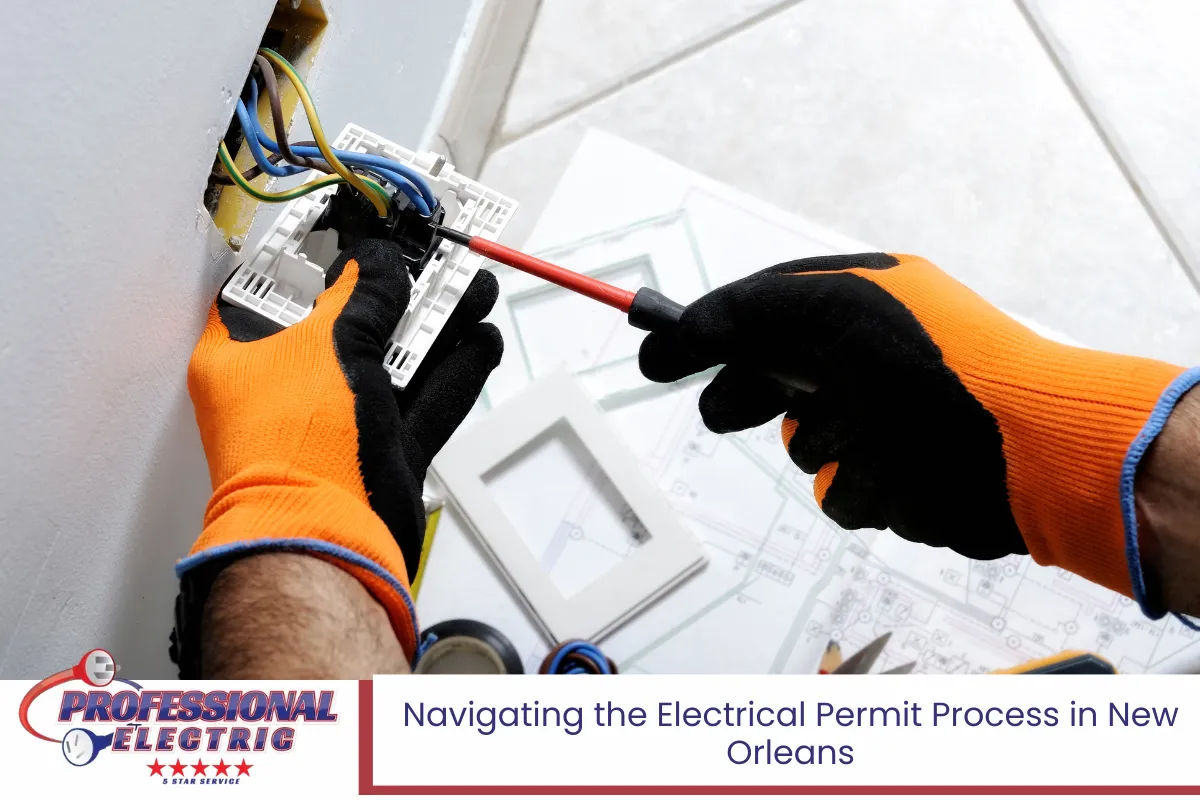
Getting an electrical permit in New Orleans isn’t complicated, but it’s important to follow the right steps:
- Prepare Your Building Plans: For large projects, you’ll need detailed plans showing the scope of the electrical work, including circuit breakers, electrical sockets, and controls systems.
- Submit to the Department of Safety & Permits: Apply online or in person with the city. You’ll need to provide your contractor’s electrical license or, if you’re eligible, show proof of homeownership.
- Pay the Permit Fees: Costs vary based on the size and value of the job.
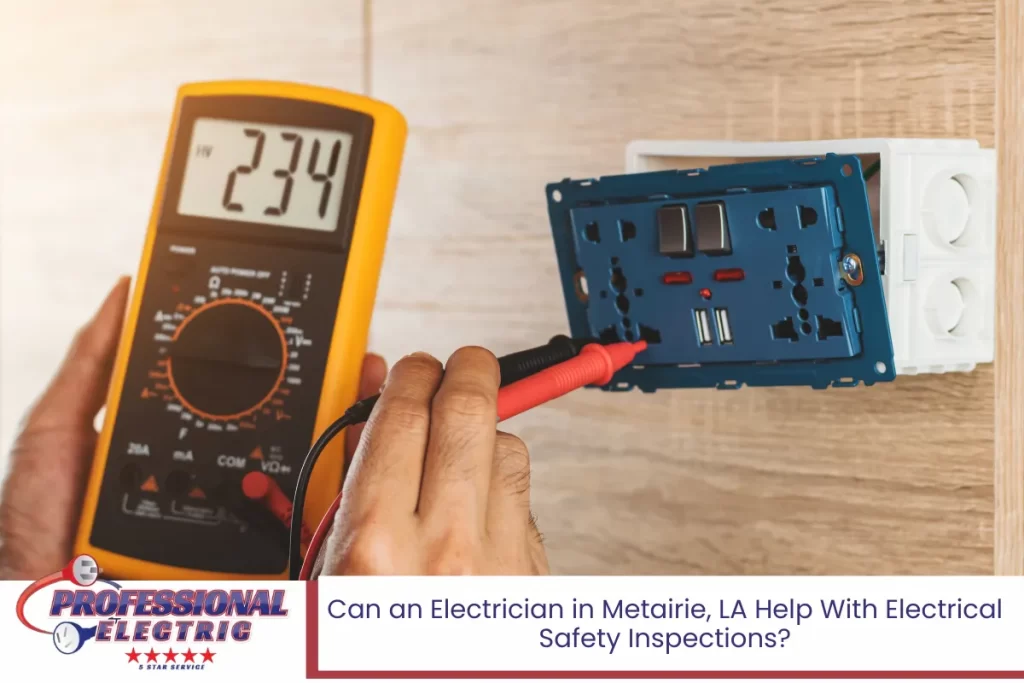
- Schedule Inspections: After the work is done, an inspector will check for code compliance, electrical safety, and proper installation.
- Receive Approval: Only after passing inspection can you legally use your new wiring.
Permits are crucial for legal compliance, proper documentation, and customer satisfaction. If you skip this process, you could face fines or have trouble selling your property in the future.
Read New Orleans Licensed Electrician: How Much Does It Cost to Install a 200-amp Electrical Service?
The Importance of Electrical Safety and Insurance
Electrical safety should never be ignored. The Occupational Safety and Health Administration (OSHA) and the NEC set strict safety protocols to protect against electrical fires, shocks, and power surges. Even a simple mistake, like incorrect grounding procedures or using the wrong prong outlets, can lead to emergency repair services, flickering lights, or dangerous conditions.
Insurance companies often require proof of permitted and inspected electrical work. Unpermitted DIY electrical jobs can void your policy, which means you’re on the hook for any damages. If a power surge, electrical fire, or faulty installation causes damage, lack of compliance can even result in denied claims.
Always make sure your electrician holds general liability insurance and has a current electrician license. For added peace of mind, ask about their BBB rating and if they are an accredited business in the Greater New Orleans area.
When It’s Time to Call a Licensed Electrician
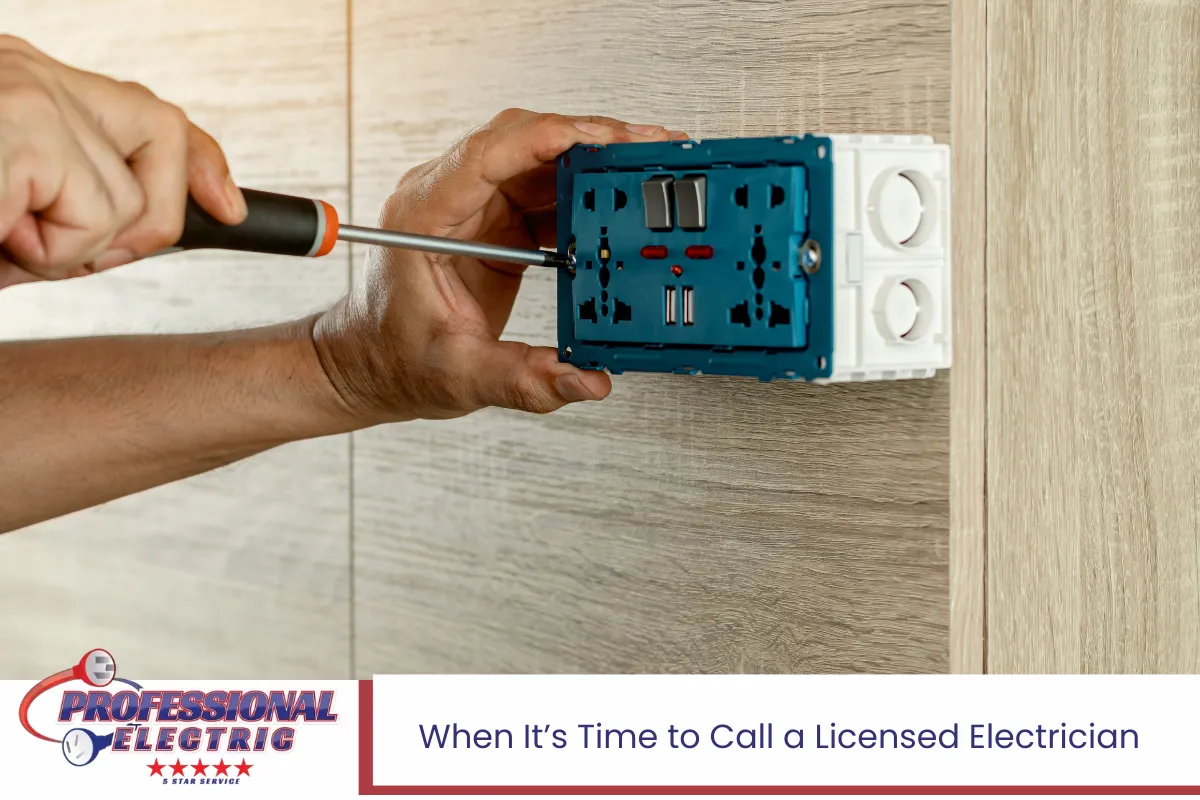
Sometimes, the smartest choice is to hire a pro. A licensed electrician or master electrician knows the electrical code, keeps up with license renewal and continuing education, and is trained to fix electrical issues fast and safely. They are also qualified to perform complex jobs such as:
- Whole-house rewiring services
- Panel upgrades and central electrical panel replacements
- EV charger installation and wiring
- Generator installation and standby generator wiring
- Home automation system installation
- Surge protector system installation
- Smart home device and security systems
- Pool and hot tub wiring
- Air conditioning and water heater circuit installation
Electrical contractor licenses ensure that the work will meet national electrical code requirements and city standards. When you hire a licensed electrical contractor, you get the benefit of emergency services, flat rate pricing, and often financing options. If you experience persistent circuit issues, frequent power outages, or notice flickering lights, call a professional immediately. Not only does this keep your home safe, but it also maintains customer service and satisfaction.
Key Takeaways for New Orleans Homeowners: DIY or Hire a Pro?
Wiring your own home in New Orleans can be tempting, but the rules are clear:
- Simple repairs like changing light fixtures, swapping out GFCI outlets, or minor outlet wiring may be done by homeowners, but anything that affects the structure or main electrical systems needs a licensed electrician.
- All major work—such as electrical panel upgrades, system installation, or rewiring services—requires a permit, inspection, and must meet the city’s building codes and safety protocols.
- The Department of Safety & Permits, Louisiana State Licensing Board for Contractors, and other local authorities set strict requirements for who can legally work on residential wiring.
- DIY projects that skip permits or inspections risk legal issues, voided insurance, and even dangerous conditions.
- If in doubt, always consult a local electrical contractor or residential electrician for advice on legal compliance and safe electrical work.
New Orleans Licensed Electrician – Professional Electric
When it comes to safe, code-compliant electrical work, trust Professional Electric, your top choice for a New Orleans licensed electrician. Serving New Orleans and the surrounding areas, we offer expert electrical repairs, panel upgrades, home wiring installation, surge protection, generator installation, and more. Our skilled team understands local electrical codes, permit requirements, and safety protocols, ensuring your home or business is always protected.
Whether you’re tackling a renovation, need emergency repair services, or want to upgrade to smart home technology, Professional Electric delivers prompt, friendly service and complete peace of mind. Don’t risk your safety with DIY—call us today at (504) 858-0270 to schedule your free consultation and get your project started the right way!
Frequently Asked Questions
1. Can I install solar panels or smart home devices myself in New Orleans?
While it’s possible to install some smart home devices, such as plug-in lights or Wi-Fi switches, solar panel installations require specialized electrical wiring services and must follow strict electrical codes. The city of New Orleans requires permits and inspection for solar panel and smart home system installation, including home automation systems that tie into your main panel. A licensed electrician or certified solar installer should handle these projects to ensure safety, legal compliance, and eligibility for rebates or incentives. DIY installations may void warranties or homeowners insurance and often fail to meet safety standards, which can put your property at risk or make it difficult to sell in the future.
2. How can I verify if my electrician is properly licensed in New Orleans?
To ensure your electrician is qualified, you can check their license number with the Louisiana State Licensing Board for Contractors. Ask to see proof of their electrical license, general liability insurance, and any ICC certifications. The city’s building department or Department of Safety & Permits can also verify licensing and track complaints. Look for a BBB rating or find them listed with accredited businesses in the Greater New Orleans area. Make sure your electrician has completed the necessary apprenticeship program, journeyman electrician or master electrician license, and continues their training requirements and license renewal. Hiring a properly certified contractor ensures that your project meets all legal, insurance, and safety standards.
3. Are there any exceptions where a handyman or non-licensed worker can do electrical work?
In general, New Orleans does not allow handymen or non-licensed workers to perform electrical wiring services that involve new installation, rewiring, or any work requiring an electrical permit. Simple jobs, like replacing a light bulb or tightening a loose outlet cover, may not require a license, but any job that changes the electrical configuration, adds circuits, or modifies wiring must be performed by a licensed electrician or electrical contractor. This ensures compliance with the National Electrical Code and city of New Orleans ordinances. Violating this law could result in fines, failed inspections, or liability if there’s an accident.
4. What should I do if I discover unpermitted electrical work in my home?
If you find that previous owners or contractors completed electrical work without the proper permits or inspections, it’s important to act quickly. Contact the Department of Safety & Permits for a retroactive electrical inspection and discuss options for bringing your home up to code. You may need to hire a licensed electrician to review, correct, or redo faulty wiring, electrical panels, or system installation. Addressing unpermitted work early can prevent issues with your homeowners insurance, avoid penalties, and ensure your home is safe for you and your family. Never ignore questionable or unsafe electrical work.
5. Do I need a permit to replace a ceiling fan or install a standby generator?
For most ceiling fan replacements in the same location, a permit is not required if you are only changing the fan itself and not the wiring. However, if you are running new wiring or relocating the fan, you will need an electrical permit and inspection. Installing a standby generator or generator installation for your home always requires a permit, as it involves connecting to your main panel, ensuring surge protection, and meeting electrical code and safety protocols. Only a licensed electrician should perform generator or electrical panel upgrade work to make sure your system wiring is safe and reliable.
This guide is designed to keep you informed and safe as a homeowner in New Orleans. Always follow city laws, electrical standards, and permit requirements before you start any electrical project. If you’re unsure, consult a local licensed electrician or the Department of Safety & Permits for expert advice. Your safety—and your home—depends on it!