

New Orleans Licensed Electrician services are essential when facing electrical problems, but did you know there are safe steps you can take to troubleshoot some common issues yourself? Many homeowners in Greater New Orleans worry about electrical shocks, flickering lights, or random power outages, which can be frustrating and even dangerous if ignored.
Left unchecked, these electrical quirks can lead to electrical fires or costly repairs down the line.But don’t worry—before you call an electrician, you can follow easy, safe troubleshooting steps to uncover simple causes of outlet failures, tripped circuit breakers, or malfunctioning switches.
In this article, we’ll show you what to do, when to call a reliable electrician, and how to protect your home using proven tips that follow all electrical code standards and keep your family safe.
Why Learning to Troubleshoot Electrical Problems is Smart for Homeowners
Electrical issues in a home can range from annoying to hazardous. Problems like flickering lights, non-working outlets, or a buzzing light switch can disrupt your daily routine and may point to deeper issues such as faulty wiring or overloaded circuits. In historic homes, which are common in New Orleans, outdated electrical wiring and old electrical components can be especially problematic.
While professional electrical repair services are vital for major electrical repairs or upgrades, understanding the basics of electrical troubleshooting can help homeowners avoid unnecessary emergency repair services and keep their home safe. Following safety guidelines and electrical codes not only protects your family but also ensures your home is in compliance with city laws, the national electrical code, and the New Orleans code of ordinances.
Staying Safe: Preparation Before Any DIY Project
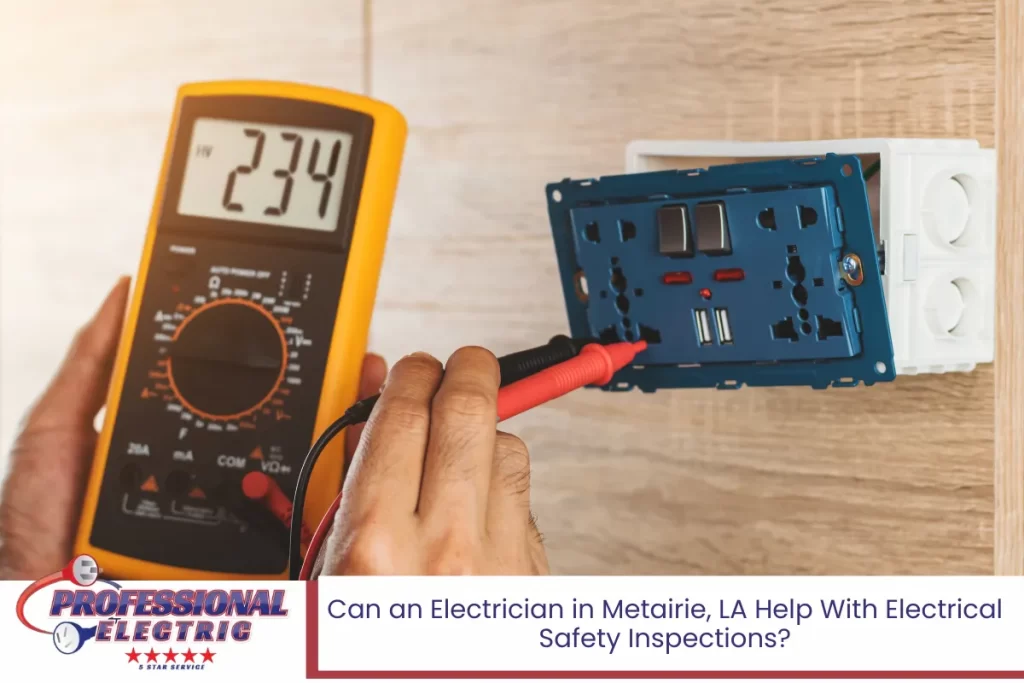
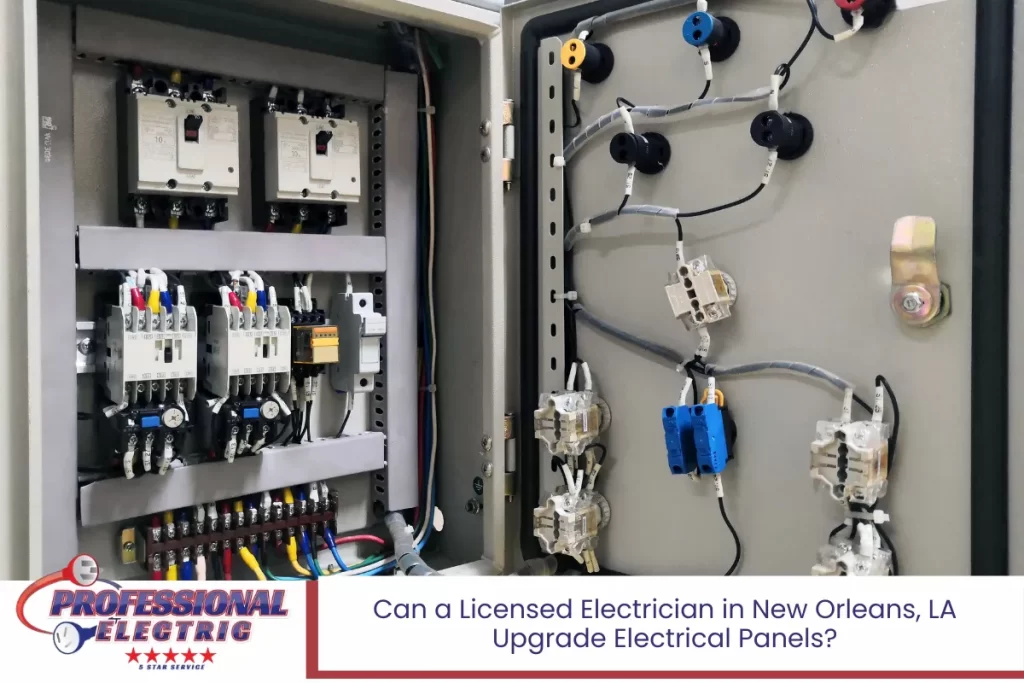
Before touching any part of your electrical system, safety comes first. Electrical shocks can be fatal, so always turn off the power at the circuit breaker box or outdoor electrical panel before investigating a problem. Use basic tools like a voltage tester, cable stripper, and wiring diagrams to guide you. Remember, only a licensed electrician or electrical contractor should handle any task beyond basic troubleshooting—especially if you spot red flags like burning smells, hot outlets, or visible sparks.
Always check your home’s electrical service panel and make sure you have the right circuit labeled. Electrical safety devices such as GFCI circuit breakers and smoke detectors should be tested regularly. If your home has unique features like knob and tube wiring, corrosion-resistant panels, marine-grade wiring, or weatherproof outlets—often found in older or waterfront properties—special care and knowledge of electrical safety standards are required.
Step-By-Step Troubleshooting Checklist for Home Electrical Issues
1. Identify the Electrical Issue
Start by noticing the symptoms. Is there a complete power outage in one part of your home? Are lights flickering or outlets not working? Has your air conditioning stopped unexpectedly? These can be signs of circuit issues, faulty electrical components, or electrical outlet failures.
2. Check the Obvious First
- Check for Simple Problems: Make sure the device or appliance is plugged in and the switch is on.
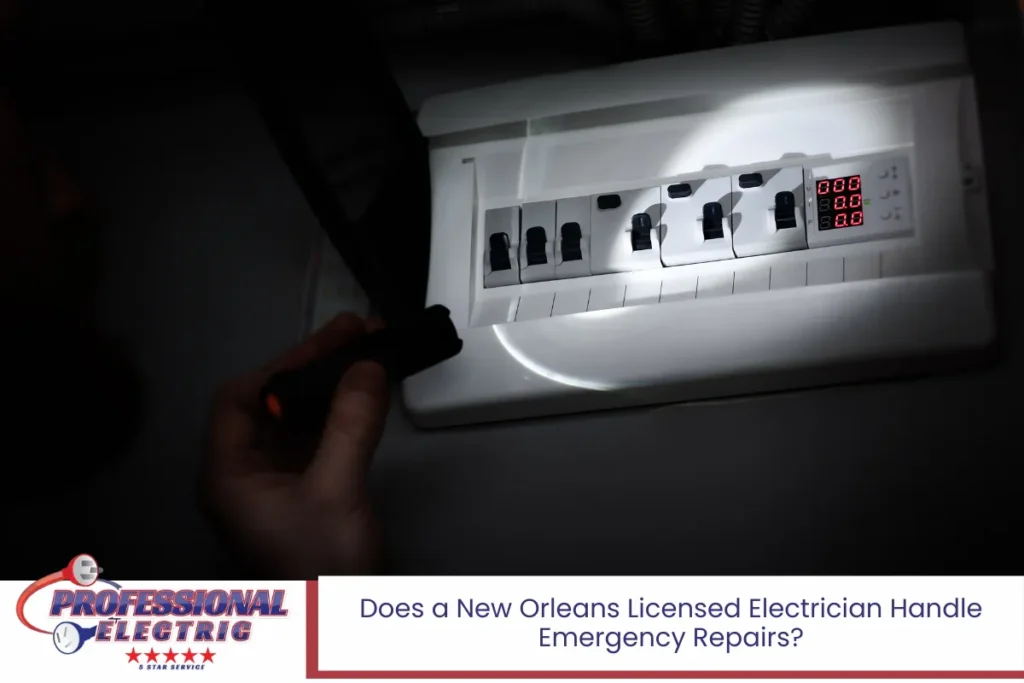
- Inspect Circuit Breakers: Head to your central electrical panel or circuit breaker box and see if a breaker has tripped. If so, reset it once and see if the problem goes away.
- Test Outlets and Switches: Plug a working lamp into the outlet to test. If it still doesn’t work, there may be an issue with the outlet wiring or the circuit itself.
- Look for GFCI Outlets: GFCI outlets, commonly found in kitchens and bathrooms, are designed to trip if there is a ground fault. Press the “reset” button and see if power returns.
3. Investigate Individual Outlets and Switches
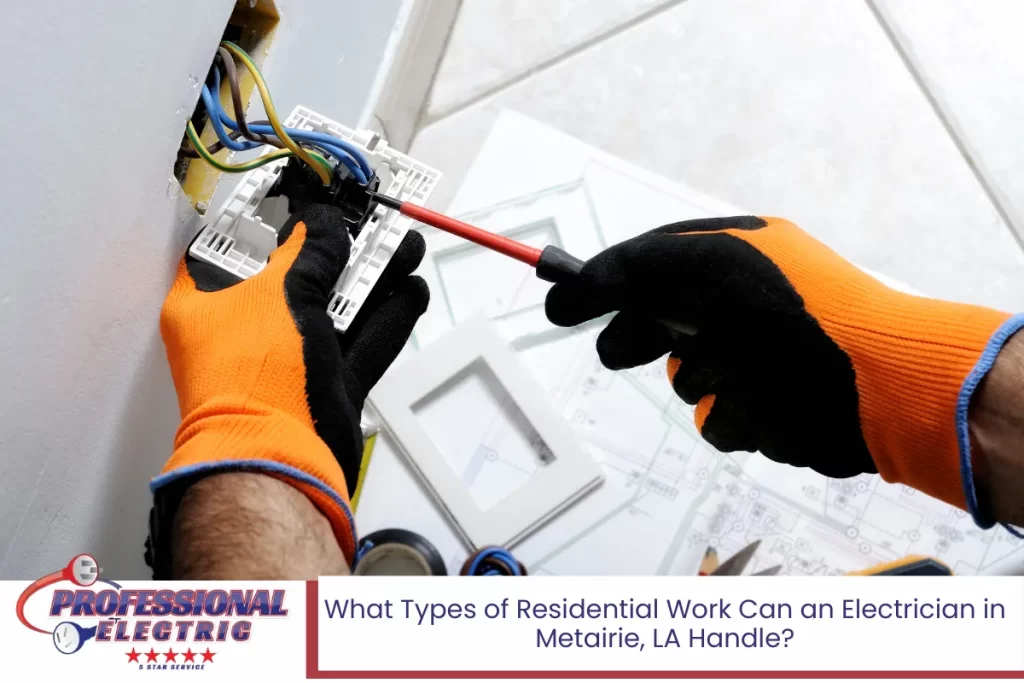
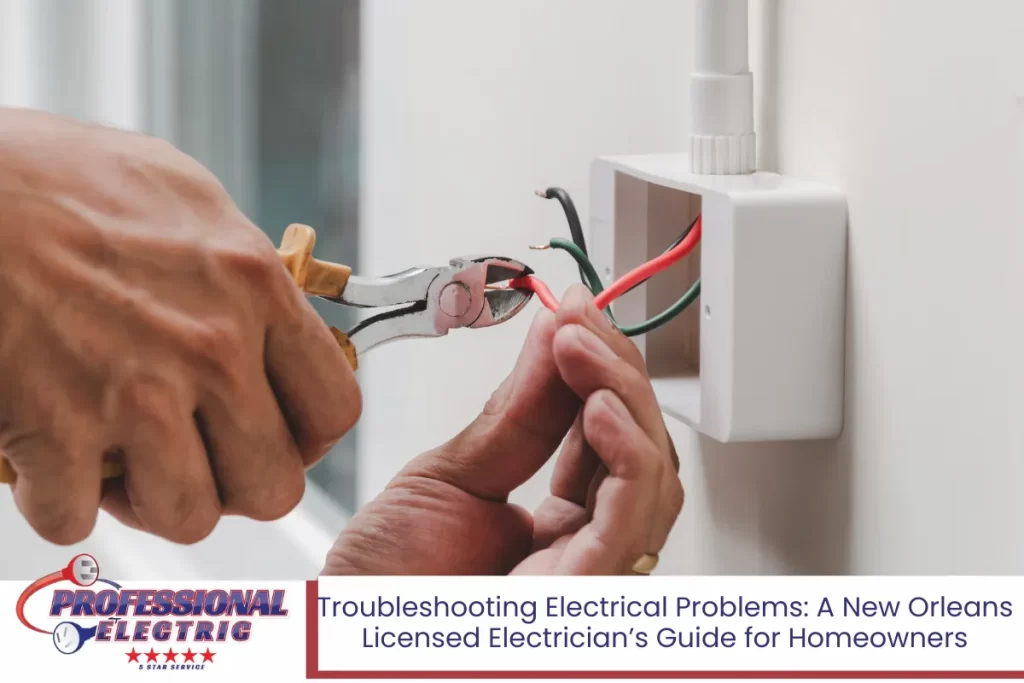
- Dead Outlets: If only one outlet is out, test nearby outlets. Multiple dead outlets may mean a tripped breaker or a problem with the wiring. Outlet repairs should only be attempted if you are comfortable and have turned off the power.
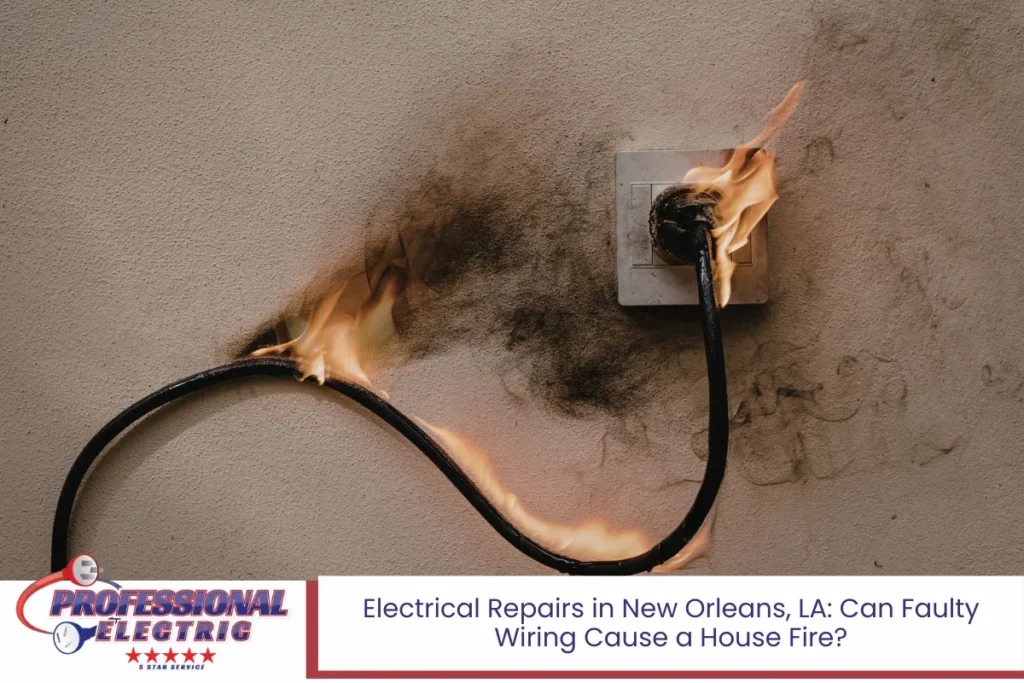
- Warm Outlets or Switches: If an outlet or switch feels hot, stop using it and call a professional immediately. This can indicate overloaded circuits or faulty wiring.
- Flickering Lights: Try replacing the bulb or LED lighting fixture first. If the problem continues, the issue could be with the electrical configuration, the wiring, or the circuit breaker.
4. Examine Circuits and Electrical Wiring
- Overloaded Circuits: Avoid plugging multiple high-wattage appliances, like space heaters or air conditioning units, into the same outlet. Use a dedicated circuit for these items.
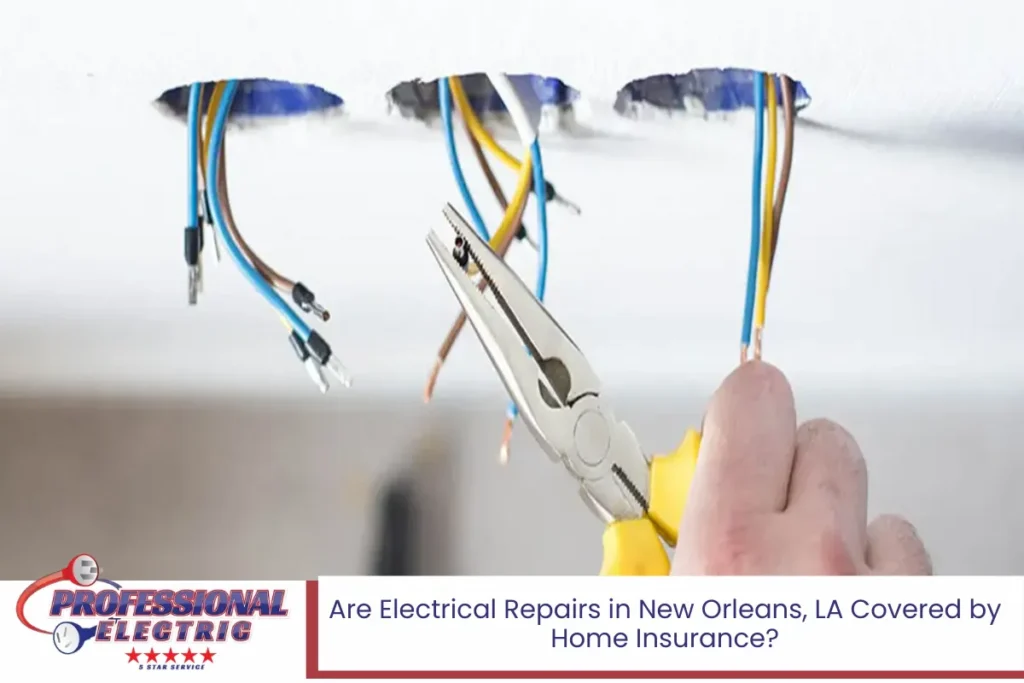
- Check for Outdated or Damaged Wiring: Historic homes in New Orleans often have outdated or damaged electrical wiring residential systems. Signs of trouble include frayed wires, discoloration, or buzzing sounds.
- Look for Signs of Moisture: Moisture-resistant conduit and waterproof connectors should be used for outdoor lighting and exterior lighting residential systems to prevent corrosion or shorts.
5. When to Call a Licensed Electrician
Some electrical problems are too dangerous or complex for a DIY project. Contact a local electrician or electrical contractor if you notice:
- Persistent power surges or frequent tripping breakers
- Warm or sparking outlets and switches
- Burning smells or visible smoke
- Unexplained power outages affecting large areas of your home
- Any issue in your electrical panel, outdoor electrical panel, or with concealed wiring
Hiring a New Orleans licensed electrician ensures your repairs meet city and state electrical codes and electrical safety standards. They can perform an electrical inspection, electrical panel upgrade, and even handle specialty work like transfer switch installation, whole-home generators, or backup power systems for hurricane season.
Read New Orleans Licensed Electrician: Is It Safe to Attempt Electrical Repairs Myself?
Preventive Tips for a Safer and More Efficient Home
Being proactive can save you time, money, and stress. Here are some proven tips to keep your home’s electrical system safe and efficient:
- Label All Breakers: Mark your circuit breaker box and keep a record of which breaker controls which part of your home.
- Regular Electrical Inspections: Schedule routine electrical inspections, especially if your home is historic or you’re planning home remodeling.
- Upgrade When Needed: Consider panel upgrades, electrical wiring services, and the installation of surge protectors or a whole-home surge protector to protect against power surges.
- Energy Efficiency Upgrades: Replace old lighting with energy-efficient LED lighting, and consider smart home device installation for better control and safety.
- Use Weatherproof and Marine-Grade Materials: For homes in wet or coastal areas, use corrosion-resistant panels and marine-grade wiring.
- Install Smoke Detectors and Electrical Safety Devices: Make sure smoke detectors are present and working in every room, and that GFCI outlets are installed in all required locations.
- Backup Power Systems: Consider generator installation or a standby generator for reliable power during storms or outages.
Special Considerations for New Orleans Homes
Homes in New Orleans have their own set of electrical challenges due to age, weather, and building codes. Many residential single family dwellings have older wiring types like knob and tube wiring, or electrical components that no longer meet modern electrical code standards. Moisture, flooding, and storms can also increase the risk of electrical fires or short circuits, so using moisture-resistant conduit and corrosion-resistant panels is critical for safety.
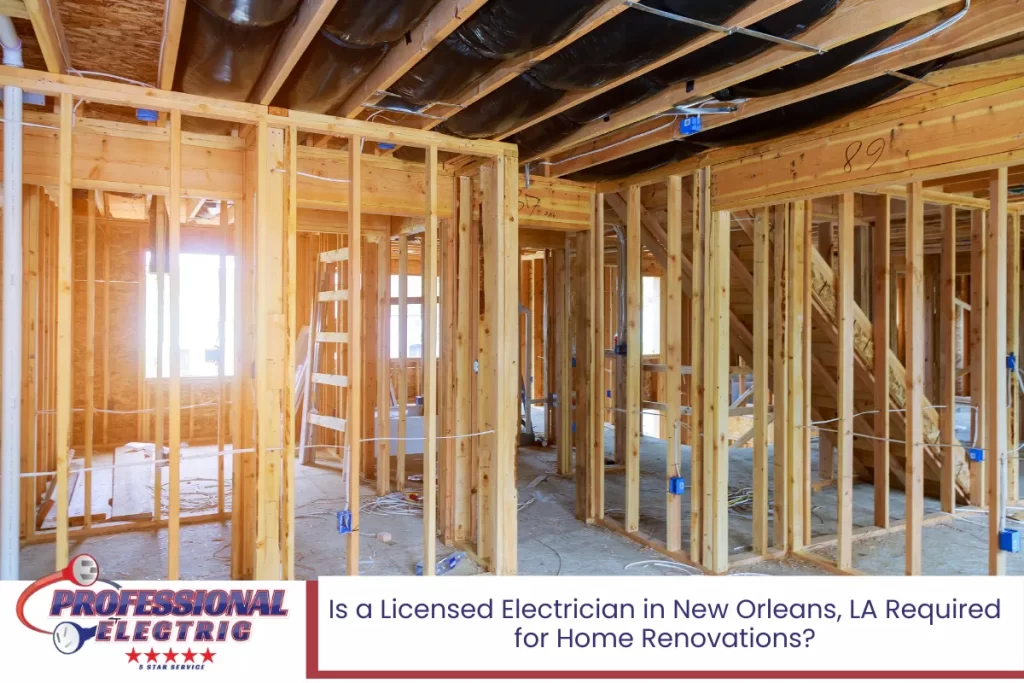
For exterior lighting residential projects or pathway lighting, make sure to use weatherproof outlets and waterproof connectors to prevent issues during storms. If you live in a historic home or are planning home remodeling, always use a licensed electrician who is familiar with local code of ordinances, the National Fire Protection Association guidelines, and the requirements of the Louisiana State Licensing Board for Contractors and the Department of Safety and Permits.
Regular safety inspections, following building codes, and hiring only electricians with the proper electrician qualifications, license classification, liability insurance, and continuing education ensures all electrical work is done to the highest safety standards.
How Professional Electricians Help Protect Your Home and Family
When it comes to electrical repairs, nothing beats the knowledge and experience of a licensed electrician or electrical contractor. Reliable electricians stay up-to-date with industry trends, receive regular electrical training, and follow occupational safety and health administration guidelines. They carry general liability insurance and meet the training requirements set by the Louisiana State Licensing Board for Contractors.
A professional electrician will perform an electrical inspection, identify electrical issues, and offer solutions that match your power needs. Whether you need lighting installation, ceiling fan installation, outlet wiring, outlet repairs, EV charger installation, or smart home services, a master electrician or journeyman electrician can handle it safely and efficiently.
Some projects—such as panel upgrades, electrical wiring residential, commercial electrical repairs, or electrical jobs involving backup power systems—should always be handled by an accredited business with verified work experience and a good BBB rating. Ask about flat rate pricing, financing options, and proof of electrician certification or license renewal before starting any major electrical installation services or system installation.
Your Trusted Partner in Greater New Orleans
For reliable, professional electrical repair and installation in Greater New Orleans, always choose a local electrician who is fully licensed, insured, and familiar with the electrical code, electrical service, and city regulations. Whether you need emergency repair services, energy efficiency upgrades, lighting fixture upgrades, or just have questions about your home wiring or electrical systems technology, a New Orleans licensed electrician is your partner in home safety and comfort.
Customer satisfaction is the top priority, so expect clear communication, respect for your property, and expert advice every step of the way. Remember, most electrical work permits require proper licensing and passing a licensing exam, so don’t risk unlicensed work. For any electrical configuration issue, big or small, count on a licensed electrical contractor for peace of mind and safe, code-compliant solutions.
New Orleans Licensed Electrician – Professional Electric
If you need a New Orleans Licensed Electrician you can trust, call Professional Electric at (504) 858-0270. Serving New Orleans and surrounding areas, we provide fast, expert solutions for all your electrical needs—whether it’s troubleshooting flickering lights, upgrading your electrical panel, or installing surge protection. Our certified team offers reliable electrical repair services for both historic and modern homes, always meeting the highest electrical safety standards.
We handle everything from outlet repairs to emergency storm repairs, and our skilled electricians are committed to customer satisfaction. Don’t risk your safety with DIY fixes. Choose Professional Electric for honest advice, free estimates, and fast response. Call today for the quality and peace of mind your home deserves!
Frequently Asked Questions
What is the difference between a tripped breaker and a blown fuse, and how can I tell which one I have?
A tripped circuit breaker and a blown fuse both cut off power to protect your electrical system from overloads or short circuits. If you have a circuit breaker box, a breaker will “trip” by flipping to the off position. Simply reset it by switching it back on. If you have a fuse box, a blown fuse will appear darkened or the metal strip inside will be broken; you’ll need to replace the fuse with one of the same rating. Older homes often have fuses, while most modern homes use circuit breakers. If either device keeps tripping or blowing, call a licensed electrician to check for underlying problems such as faulty wiring or overloaded circuits.
Can I plug a high-wattage appliance into a regular outlet, or do I need a dedicated circuit?
High-wattage appliances such as air conditioning units, space heaters, or electric ovens draw a lot of power and can easily overload a standard outlet, leading to power surges, tripped breakers, or even electrical fires. These appliances should be plugged into a dedicated circuit that is specifically installed for high-power use. This ensures the appliance operates safely and efficiently. Plugging such appliances into a regular outlet, power strip, or extension cord is not safe and could violate electrical codes. If you’re unsure if your outlet wiring can handle the load, contact a professional electrician for an electrical inspection.
How often should I have my home’s electrical system inspected, especially in an older or historic home?
For most homes, a safety inspection is recommended at least every 3-5 years. However, if you live in a historic home or have recently experienced electrical quirks such as flickering lights, frequent power outages, or outlet failures, an inspection should be scheduled sooner. Regular inspections help catch early signs of electrical wear, outdated components, or code violations, and ensure all electrical work meets current building codes and electrical safety standards. Inspections are especially important after major storms, flooding, or before major home remodeling projects. Always use a licensed electrician for safety inspections.
What is a GFCI outlet, and why does it keep tripping?
A GFCI (Ground-Fault Circuit Interrupter) outlet is an electrical safety device designed to quickly shut off power if it detects a ground fault or current leakage, which could cause an electrical shock. GFCI outlets are required in kitchens, bathrooms, and other wet areas. If your GFCI outlet keeps tripping, the most common causes are moisture in the outlet, a faulty appliance, or wiring problems downstream. Try unplugging everything from the outlet and pressing the “reset” button. If it trips again, or if there’s a burning smell or the outlet feels warm, call a professional immediately. Persistent tripping can signal a serious electrical issue.
Why do my lights dim when I turn on appliances like my HVAC or microwave?
If your lights dim when large appliances start up, it usually means the appliance is drawing a lot of power, causing a temporary voltage drop in your electrical system. This can be common in homes with older wiring or insufficiently sized electrical panels. Sometimes, lights on the same circuit as the appliance will dim the most. Occasional dimming is often harmless, but frequent or severe dimming can indicate a need for an electrical panel upgrade, dedicated circuits, or even rewiring for better load management. Consult a licensed electrician to assess your power needs and ensure your system meets modern electrical safety standards.
By following these troubleshooting steps and safety tips, you’ll be better prepared to handle common electrical problems at home. Remember, for any issues beyond basic troubleshooting, a New Orleans licensed electrician is your best resource for professional electrical repair, installation, and peace of mind.