

Why Electrical Panel Issues Demand Immediate Attention
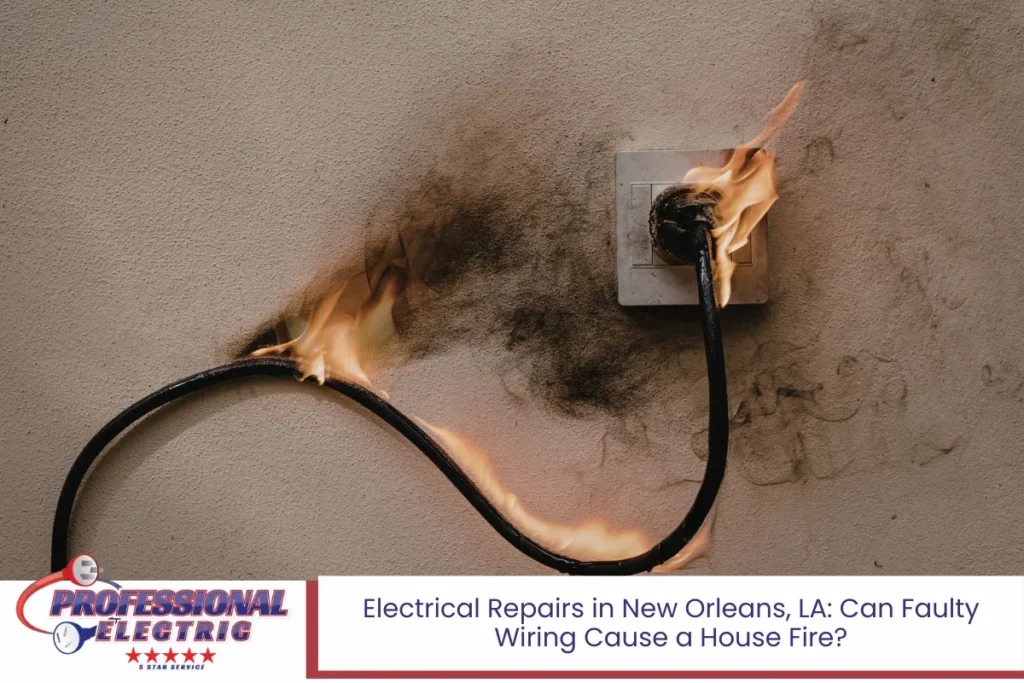
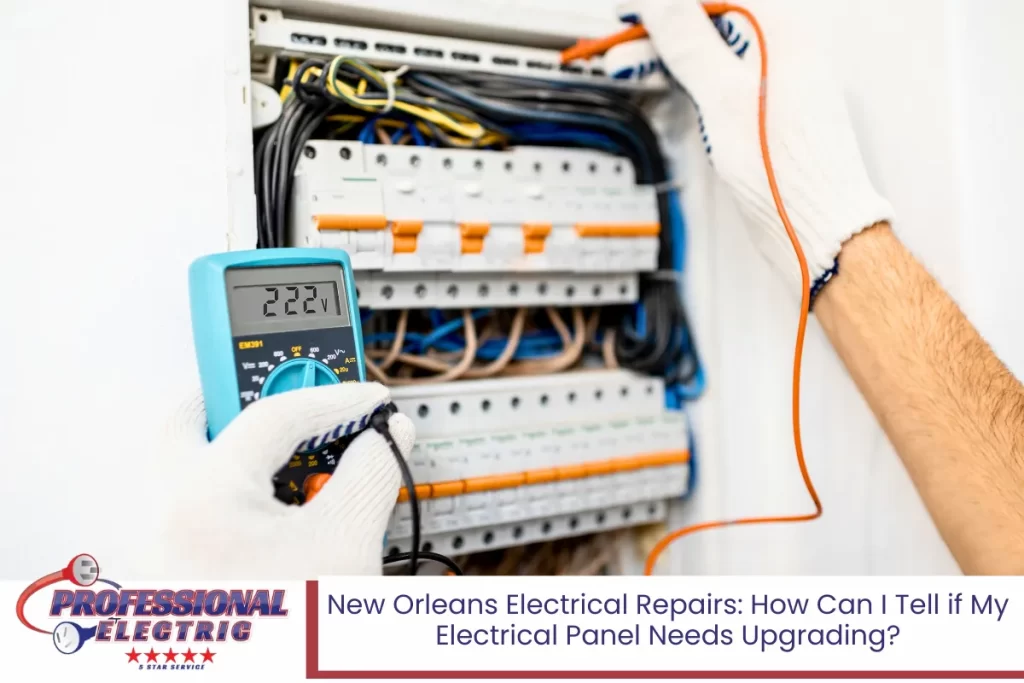
New Orleans electrical repairs often start with a simple question homeowners ask themselves: Is my electrical panel still safe, or is it overdue for an upgrade? In many cases, the panel quietly manages your home’s power until warning signs suddenly appear—buzzing breakers, flickering lights, or outlets that feel warm. These issues seem small at first, but they can quickly escalate into serious hazards. When electrical systems age or struggle with modern power demands, they place your home at risk of outages or even electrical fires. By understanding how to recognize panel trouble early and scheduling the right electrical repair service, you protect your property, your safety, and your peace of mind.
Why Your Electrical Panel Matters More Than You Think
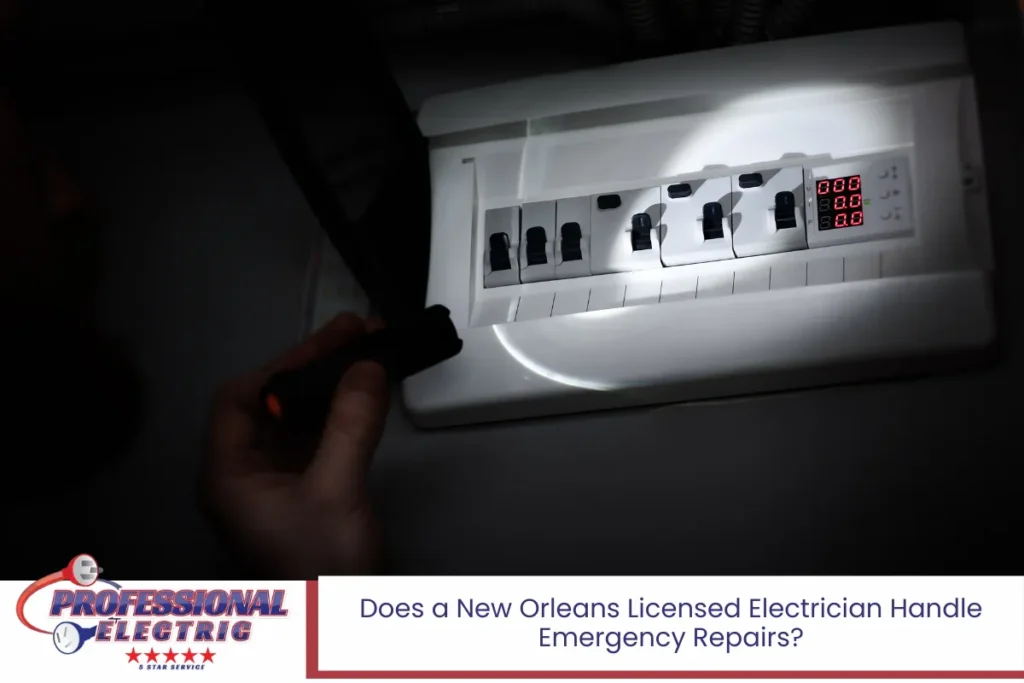
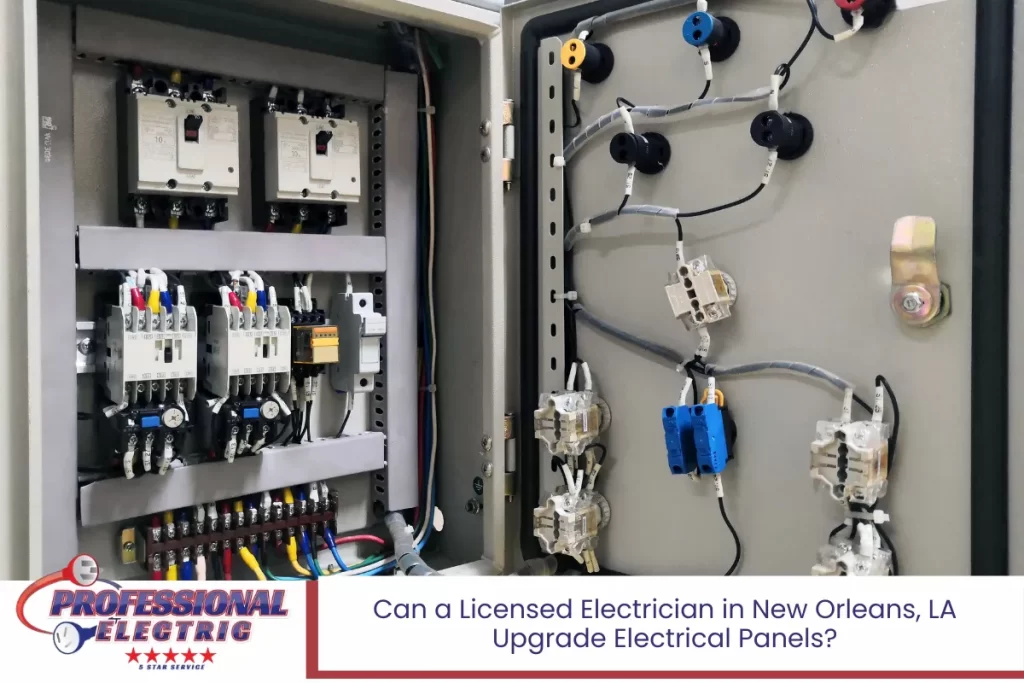
Older houses in New Orleans often rely on aging infrastructure, and the electrical panel is no exception. It functions as the heart of the entire system, distributing electricity throughout your home. When it begins to fail or becomes undersized for modern appliances, the entire network becomes unstable.
How Today’s Energy Demands Outgrow Older Panels
Many older homes were built when electrical needs were minimal—far before kitchen equipment, gaming consoles, HVAC systems, and EV chargers became standard. A panel installed 40 years ago might only support 60–100 amps. Today, the average home needs 150–200 amps or more to safely run multiple devices.
As technology grows, your panel must keep pace. If it can’t, an electrician may recommend an upgrade to prevent issues like breaker trips or wiring overheating.
The Connection Between Power Distribution and Home Safety
The electrical panel isn’t only about convenience; it’s a major safety barrier. When it works properly, it prevents overloads and reduces fire risks. When it doesn’t, the system becomes unpredictable.
Faulty panels are also linked to arc faults, internal corrosion, and overheating. An experienced electrical contractor can quickly identify these hazards and explain whether repair or replacement is the safer choice.
Warning Signs Your Electrical Panel Needs an Upgrade
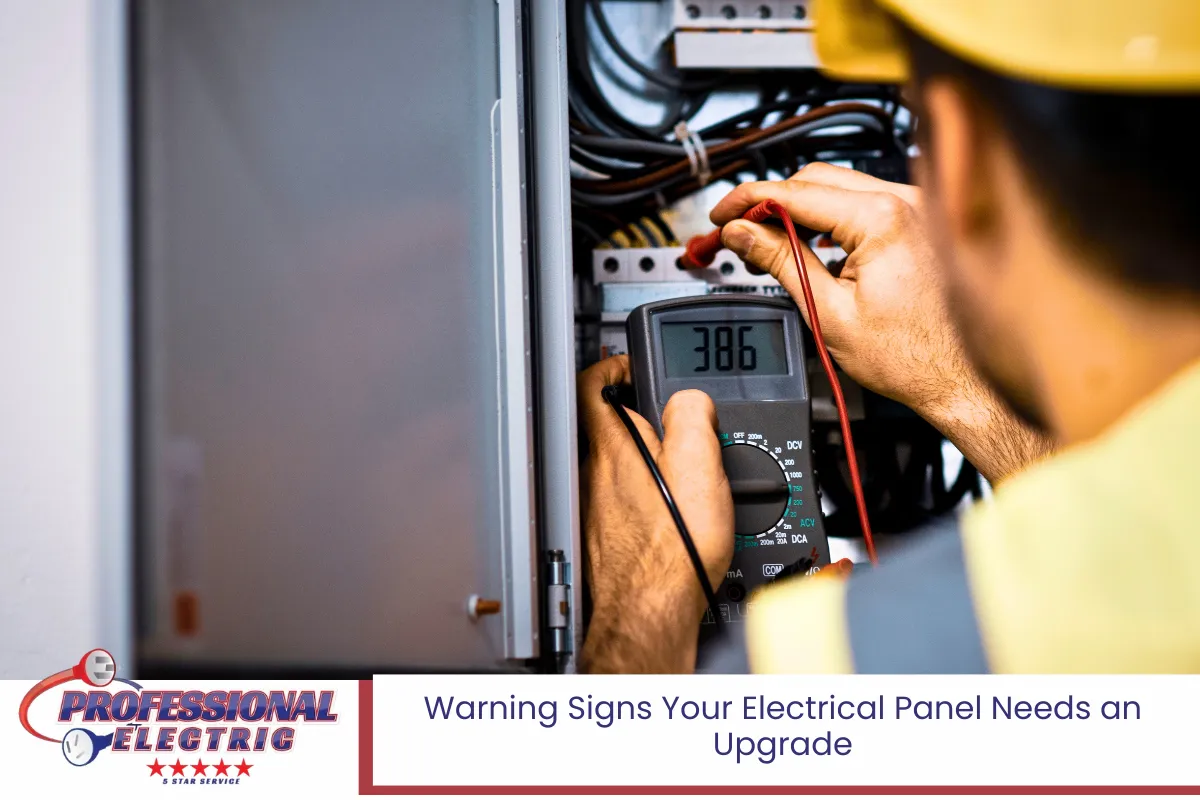
Panel problems don’t always reveal themselves clearly, but many homeowners notice subtle issues long before a major breakdown occurs.
Frequent Breaker Trips
If you reset breakers more often than you’d like, it’s usually an indication that circuits are overloaded. This can happen when:
- Major appliances share a circuit
- You’re using too many high-demand devices
- The panel can’t handle modern electrical loads
This pattern signals that the system is working too hard and may benefit from a panel upgrade.
Flickering, Dimming, or Unstable Lighting
Lights that dim when appliances start up are one of the biggest clues that your electrical system is struggling. For example:
- Lights flicker when the AC cycles on
- Bulbs dim when using microwaves or hair dryers
- Multiple light fixtures behave inconsistently
These problems occur when circuits compete for power, often caused by outdated panel capacity or deteriorating breakers.
Odd Sounds: Buzzing, Crackling, or Humming
Electrical panels should operate silently. Any sound from the panel—buzzing, sizzling, or faint crackling—signals an internal malfunction. This could mean:
- Loose wiring
- Faulty breakers
- Failing connections
- Corrosion
These issues require immediate attention because they can cause overheating and fires.
Burning Odor or Visible Heat
If the panel feels warm or gives off a noticeable burning smell, shut down the power and contact an electrician right away. These warning signs indicate overheating, which may result from:
- Loose lugs
- Melted insulation
- Faulty breakers
- Arc faults
A burning smell is one of the most serious symptoms and should never be ignored.
Outlets That Feel Warm or Discolored
When outlets feel warm to the touch—or show discoloration—it usually means they’re receiving too much power or the wiring is compromised. Even though the panel might seem unrelated, these symptoms often originate from distribution issues that require electrical repairs at the panel level.
Age Matters: When Older Panels Can’t Keep Up
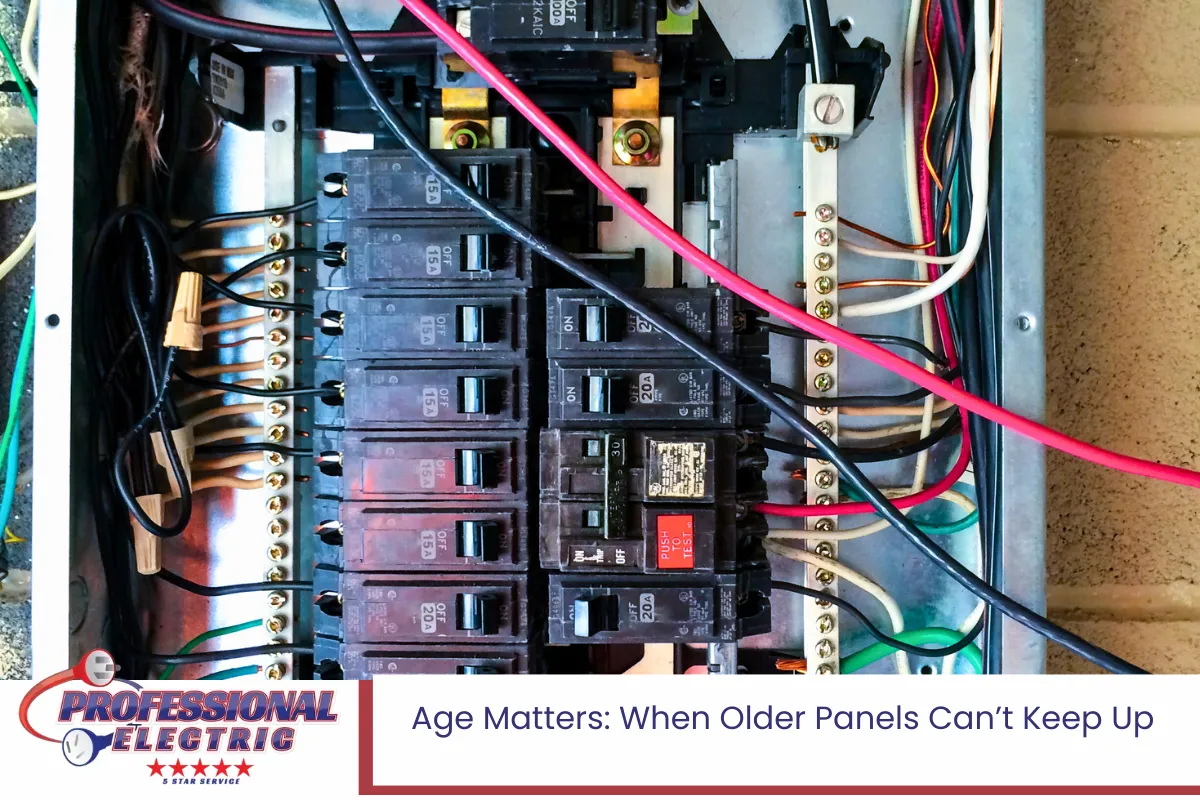
Not all electrical panels are created equal, and some brands installed decades ago are now widely known for safety issues.
Panels Installed Over 25 Years Ago
Electrical panels have an average lifespan of about 25–40 years. Panels older than this usually fall behind today’s electrical standards, and many insurers consider them obsolete. If your home has an older panel, an upgrade may be a smart investment.
Hazardous Panel Brands to Look Out For
Certain panel manufacturers from the past are now considered unreliable. Many electricians recommend replacing them due to documented risks. These include:
- Federal Pacific Electric (FPE)
- Zinsco / Sylvania-Zinsco
- Challenger
- Pushmatic
These panels are associated with breaker failures, overheating, and, in some cases, serious fire hazards. If your home still has one, a replacement is highly advisable.
Read New Orleans Electrical Repairs: What Are Common Signs That My Electrical System Needs Repairs?
How Electrical Load Calculations Determine Panel Capacity Needs
Modern homes use significantly more electricity than those built decades ago, which is why electricians perform load calculations when assessing panel upgrades. Load calculations determine how much electrical demand your household requires to operate safely.
What a Load Calculation Includes
A load calculation considers the total wattage used by essential appliances, including:
- HVAC units
- Refrigerators
- Dishwashers
- Water heaters
- Laundry equipment
- Small appliances
- Lighting systems
- Outlets and general-use devices
When the total exceeds your panel’s rated capacity, upgrading to a larger panel becomes necessary to avoid overloaded circuits.
The Importance of Future Planning
Even if your current usage fits within the capacity, it’s important to plan ahead. Many homeowners add:
- Home offices
- Smart home technology
- Outdoor lighting
- EV charging stations
- Additional appliances
By planning for future needs, you ensure long-term safety and avoid costly retrofits.
How to Know Whether You Need Repairs or a Full Panel Replacement
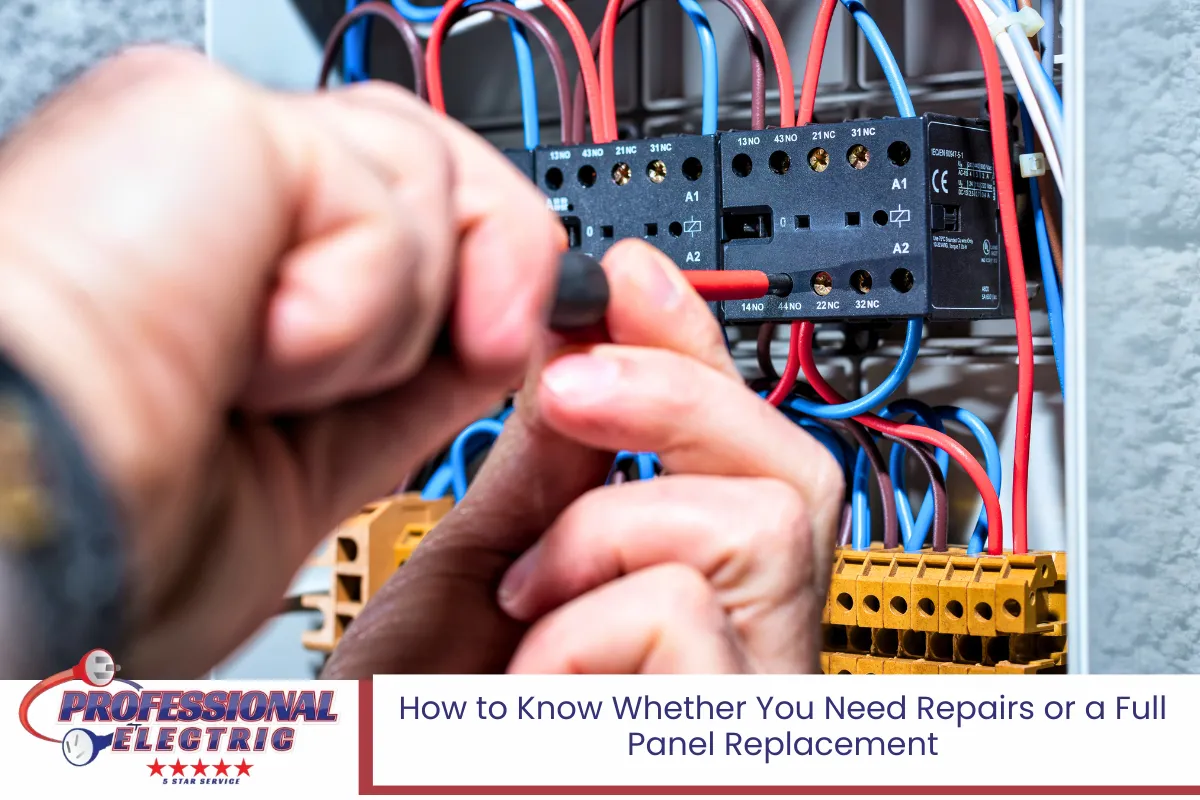
Not every issue requires replacing the entire panel. Sometimes, targeted electrical repairs solve the problem efficiently.
When Repairs Are Enough
Repairs may be the right choice if:
- One or two breakers malfunction
- Wiring connections need tightening
- There’s minor corrosion
- The panel is relatively new
- Capacity is adequate for your home
A skilled electrician can restore performance without major upgrades.
When Replacement Is the Better Option
Panel replacement becomes necessary when:
- The panel is outdated or on a recall list
- The system cannot support modern electrical demands
- Multiple circuits continuously overload
- You’re renovating or adding new appliances
- You want to increase overall home value
Upgrading ensures better protection, supports heavy appliances, and creates a more reliable electrical system.
What Happens During a Professional Electrical Panel Upgrade?
A panel upgrade is a structured, multi-step process carried out by a licensed electrical contractor. Understanding the steps helps homeowners feel confident and prepared.
Step-by-Step Overview
- Assessment: The electrician inspects the panel, wiring, grounding, and service lines.
- Load Evaluation: The total electrical demand is measured to determine the right panel size.
- Permit Acquisition: Local regulations in New Orleans may require permits before work begins.
- Power Shut-Off: Utility companies temporarily disconnect power for safety.
- Panel Removal: The old panel is safely detached, including breakers and wiring.
- New Panel Installation: A modern panel with updated breakers is installed.
- System Reconnection: Circuits are labeled, tested, and balanced.
- Inspection: A final evaluation ensures compliance with safety standards.
How Long Does It Take?
Most panel upgrades take between 4–8 hours depending on complexity, wiring condition, and local electrical requirements. Homes with outdated wiring or ungrounded systems may require additional time.
Why Permits and Code Compliance Matter
Electrical work must adhere to national and local building codes to ensure safety. Licensed electricians ensure your system meets the National Electrical Code (NEC) and local New Orleans requirements.
Benefits of Upgrading Your Electrical Panel Today
Upgrading your electrical panel offers both immediate and long-term improvements.
Increased Electrical Capacity
Modern panels handle greater electrical demand, reducing the likelihood of overloaded circuits.
Enhanced Home Safety
Newer panels offer advanced protection against:
- Circuit overloads
- Arc faults
- Short circuits
- Electrical fires
Compatibility with Modern Technology
A new panel allows you to safely add:
- EV chargers
- Additional lighting
- Home theaters
- Smart home systems
- Outdoor power features
Improved Home Value
Electrical upgrades are considered energy improvements and can increase market appeal. Buyers appreciate updated systems, especially in areas with older housing stock.
Lower Insurance Risks
Some insurers charge higher premiums—or deny coverage—for homes with obsolete panels. Upgrading may help avoid those issues.
How to Maintain Your Electrical Panel After Upgrading
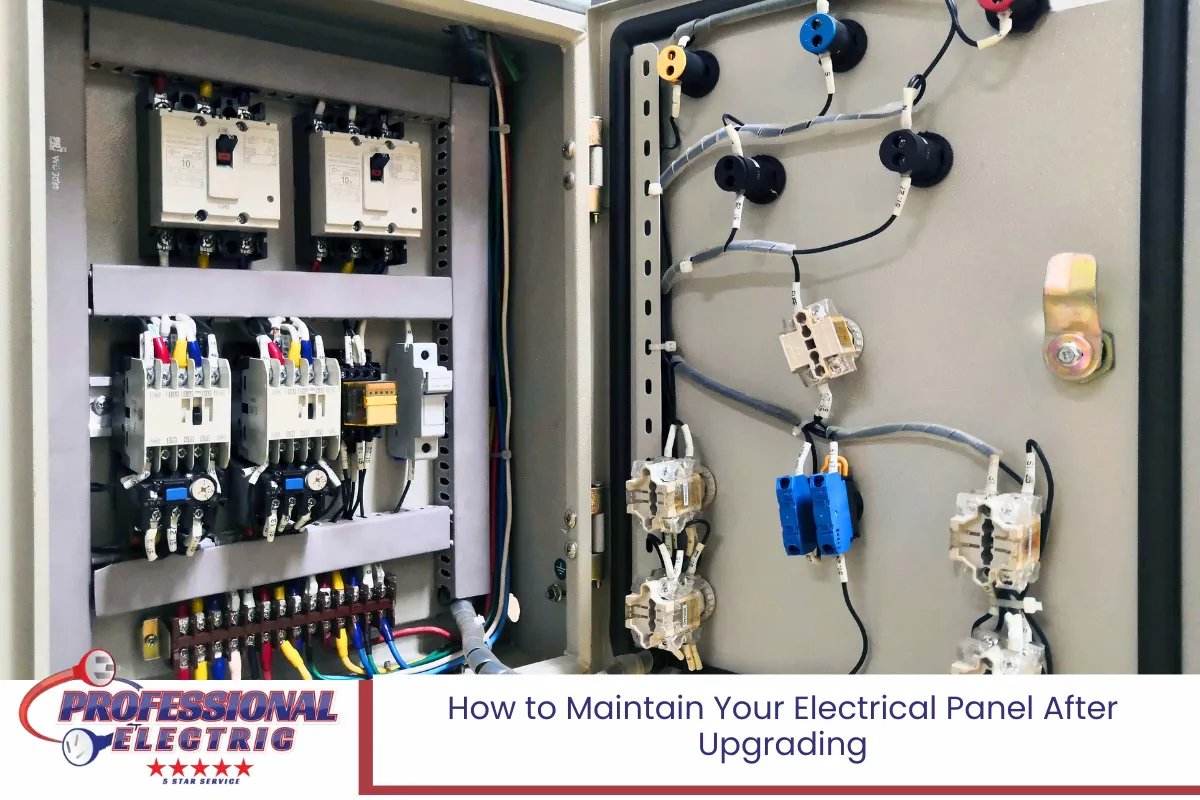
Even a new panel requires ongoing care.
Annual Electrical Inspections
A yearly check by an electrician ensures your system remains in good condition and compliant with electrical safety standards.
Keep the Panel Accessible
Avoid blocking the panel with shelves or storage. Readily accessible panels help electricians quickly diagnose issues and perform maintenance.
Avoid Overloading Circuits
Distribute appliances across different circuits when possible. Even with a modern panel, thoughtful usage prevents unnecessary strain.
Watch for New Warning Signs
Flickering lights, buzzing, or tripping breakers should never be ignored—even with a newer system. Addressing problems early prevents costly damage.
Making the Call: When to Contact an Electrician
If you’re experiencing any of the signs mentioned above, reaching out to a licensed electrical contractor is the safest step. Electrical issues rarely fix themselves, and quick action protects your home.
Choosing the Right Professional
Select an electrician with:
- Proper licensing
- Experience with panel upgrades
- Knowledge of local codes
- Clear communication
- Strong customer reviews
A qualified professional will walk you through each step, providing accurate recommendations based on your home’s needs.
Final Thoughts on Identifying When Your Electrical Panel Needs an Upgrade
Your electrical panel plays a crucial role in your home’s safety and functionality. When it begins to show signs of deterioration—like flickering lights, constant breaker trips, or buzzing noises—these issues serve as warnings that shouldn’t be ignored. Upgrading or repairing your panel ensures your home is protected, fully powered, and ready for modern electrical demands. As technology evolves, so does the need for a system that supports it safely. Whether you need targeted electrical repairs or a complete upgrade, taking action now prevents future problems and offers peace of mind for years to come.
New Orleans Electrical Repairs – Professional Electric
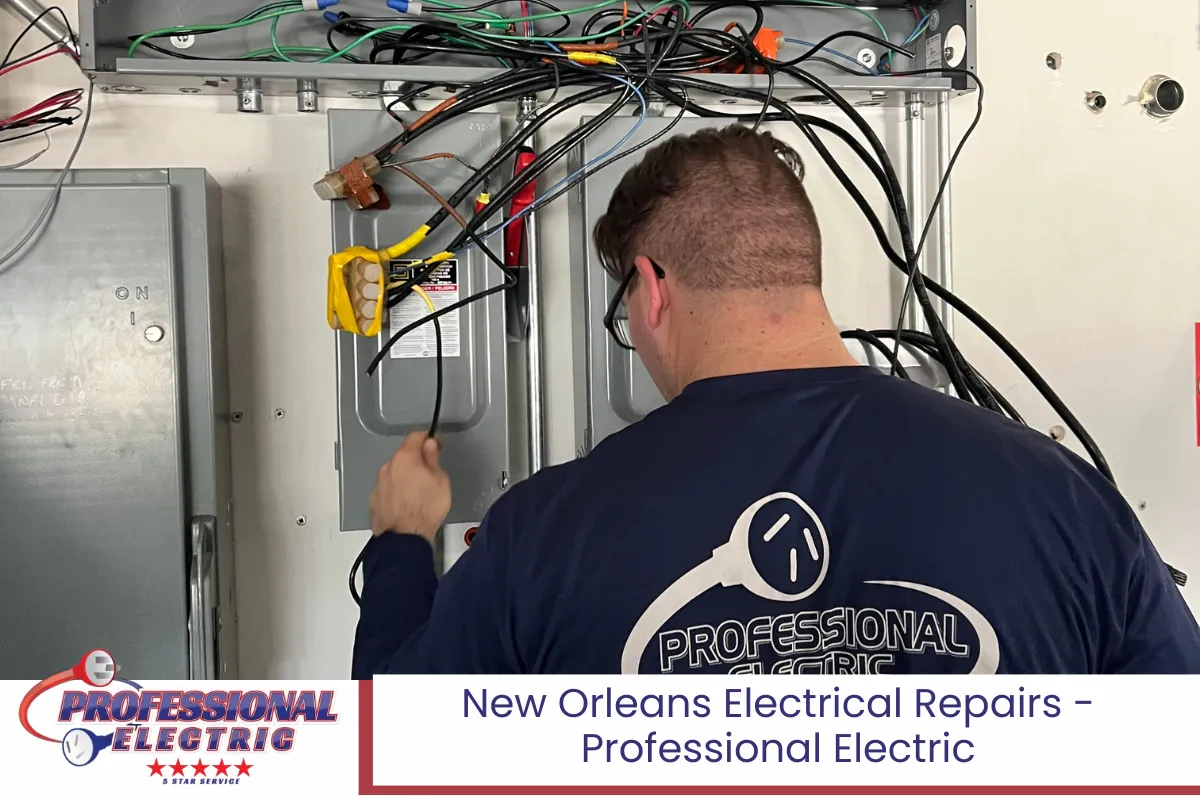
When you need reliable electrical repairs that keep your home safe and powered, Professional Electric is here to help. Based in New Orleans, Louisiana and serving nearby areas, our licensed electricians deliver fast, accurate, and customer-focused service. Whether your electrical panel is outdated, overloaded, or showing warning signs, we provide expert troubleshooting and high-quality upgrades designed to protect your home. We offer quick scheduling, upfront pricing, and a team committed to doing the job right the first time. If you’re noticing flickering lights, tripping breakers, or concerns about panel capacity, call (504) 858-0270 or fill out our online contact form. Get dependable solutions from experienced professionals who put your safety first.
Frequently Asked Questions
1. How long does an electrical panel typically last in New Orleans homes?
Most electrical panels last between 25 and 40 years, but local factors in New Orleans can shorten that lifespan. High humidity, frequent storms, and older wiring in historic neighborhoods contribute to faster wear. Even if a panel appears to function normally, internal components such as breakers, bus bars, and connections may corrode or weaken over time. Once a panel hits 25 years, it’s wise to schedule an inspection with a licensed electrician to determine whether it’s still safe. A proactive evaluation helps uncover hidden issues like overheating, loose wiring, or outdated equipment that doesn’t meet today’s electrical demands. Regular assessments can prevent surprise failures and reduce long-term repair costs.
2. Can an electrical panel upgrade reduce energy bills?
An upgraded panel doesn’t directly lower your monthly energy usage, but it does improve overall efficiency. When circuits are overloaded or electrical components deteriorate, appliances often draw inconsistent power, causing them to work harder. This inefficiency may indirectly increase energy costs. A modern panel provides stable, balanced electricity, allowing HVAC systems, refrigerators, and other essential appliances to operate as designed. Upgrading also allows homeowners to use energy-efficient devices without stressing the system. More importantly, a stable electrical infrastructure helps prevent damage from voltage fluctuations, which can shorten appliance lifespans. While the upgrade itself isn’t an energy-saving device, its long-term benefits support a more dependable and efficient home.
3. Do I need to upgrade my electrical panel if I install new appliances?
Installing major appliances such as electric ranges, HVAC systems, tankless water heaters, or EV chargers often increases your electrical load significantly. If your current panel is older, undersized, or already supporting several high-demand circuits, it may not manage these additions safely. A licensed electrician will perform a load calculation to determine whether your panel can handle the new demand. If your home is already near capacity, a panel upgrade becomes necessary to ensure safe operation and prevent regular breaker trips. Upgrading before installation helps avoid potential damage, improper functioning, and unexpected interruptions. It’s always best to evaluate panel capacity before adding any large electrical equipment.
4. Will I lose power during an electrical panel replacement?
Yes, temporary power loss is necessary during a panel replacement, but the outage is usually short. Most homes lose power for 4–8 hours, depending on the complexity of the work and the condition of the existing wiring. Electricians coordinate directly with utility providers to disconnect and restore the electrical supply safely. Homeowners should prepare by unplugging electronics, securing refrigerated items, and planning around the outage window. Although the temporary inconvenience may seem frustrating, the upgrade significantly enhances home safety and electrical reliability. After installation, the electrician tests each circuit to ensure everything works properly before power is fully restored, minimizing any post-installation issues.
5. What should I do if my breakers feel hot but aren’t tripping?
Breakers should never feel warm or hot to the touch. Heat without tripping usually indicates poor connections, internal resistance, or a panel struggling to distribute power. This issue is often overlooked because the system still appears functional. However, warm breakers can lead to wire insulation damage, arcing, or electrical fires if ignored. Turn off affected circuits if possible and avoid using high-demand appliances until the issue is inspected. Contact a licensed electrician immediately to diagnose the cause. They may recommend tightening connections, replacing faulty breakers, or evaluating panel capacity. Addressing the problem early prevents more severe and expensive damage later.
Disclaimer: This article is for informational purposes only and should not be used as a substitute for professional electrical advice, diagnosis, or service. Electrical work can be dangerous and must be performed by a licensed electrician. Always consult a qualified professional before attempting repairs, upgrades, or modifications to your home’s electrical system.
Read Homeowner’s Guide: Preventing Electrical Repairs in New Orleans, Louisiana