

Aging Electrical Systems and the Real Risk Inside Your Walls
New Orleans Electrician Near Me is often the first thing homeowners search when lights flicker, breakers trip, or outlets feel warm to the touch. The problem many homeowners face is not a single faulty outlet, but an entire electrical system that has quietly aged past its intended lifespan. Houses built 40 years ago were not designed to support today’s power-hungry appliances, smart devices, and modern HVAC systems. That strain can agitate hidden dangers like overheating wires, outdated panels, and fire hazards. The solution is not always obvious, but a professional evaluation can reveal whether rewiring is a smart investment that improves safety, efficiency, and long-term property value.
Why 40-Year-Old Electrical Systems Are a Growing Concern
Electrical systems are not meant to last forever. Most residential wiring has an expected service life of 30 to 50 years, depending on materials and usage.
Changes in Electrical Demand Over the Decades
Homes built in the 1980s typically supported:
- Basic lighting
- One refrigerator
- Minimal electronics
- Smaller HVAC loads
Today’s homes demand power for:
- Multiple televisions and computers
- High-capacity kitchen appliances
- Electric vehicle chargers
- Smart home systems
- Energy-efficient but power-sensitive equipment
An electrician often finds that older wiring simply was not designed to handle these loads safely.
Materials That Age and Degrade
Common wiring materials from 40 years ago can deteriorate:
- Insulation becomes brittle
- Connections loosen over time
- Older aluminum wiring expands and contracts excessively
- Panels lack modern circuit protection
These issues increase resistance, heat, and the risk of electrical failure.
Warning Signs That Rewiring May Be Necessary
Not every older home needs a full rewiring project, but certain symptoms should never be ignored.
Visible Red Flags Homeowners Notice
Call an electrician near you if you experience:
- Frequent breaker trips or blown fuses
- Flickering or dimming lights
- Burning smells near outlets or panels
- Warm or discolored outlets and switches
- Two-prong outlets without grounding
These signs often point to deeper wiring issues behind the walls.
Hidden Issues Found During Inspections
A licensed electrician may uncover:
- Overloaded circuits
- Ungrounded wiring
- Improper DIY modifications
- Panels that no longer meet code requirements
Many of these problems are not visible but pose serious safety risks.
Electrical Code Updates That Older Homes Often Fail to Meet
Electrical standards evolve to reflect safety research and real-world incidents.
How Modern Codes Protect Homeowners
Current electrical codes emphasize:
- Ground fault circuit interrupters in wet areas
- Arc fault protection to reduce fire risk
- Adequate circuit distribution
- Proper grounding and bonding
Homes wired decades ago rarely meet these standards without upgrades.
New Orleans-Specific Considerations
In New Orleans, electrical work must comply with adopted versions of the National Electrical Code and local amendments. Permits and inspections are required for major electrical upgrades, including rewiring projects. Working with a licensed electrician ensures compliance and avoids costly violations.
What a Full Rewiring Project Actually Involves
Rewiring is more than replacing a few wires.
Scope of Work in a Typical Rewire
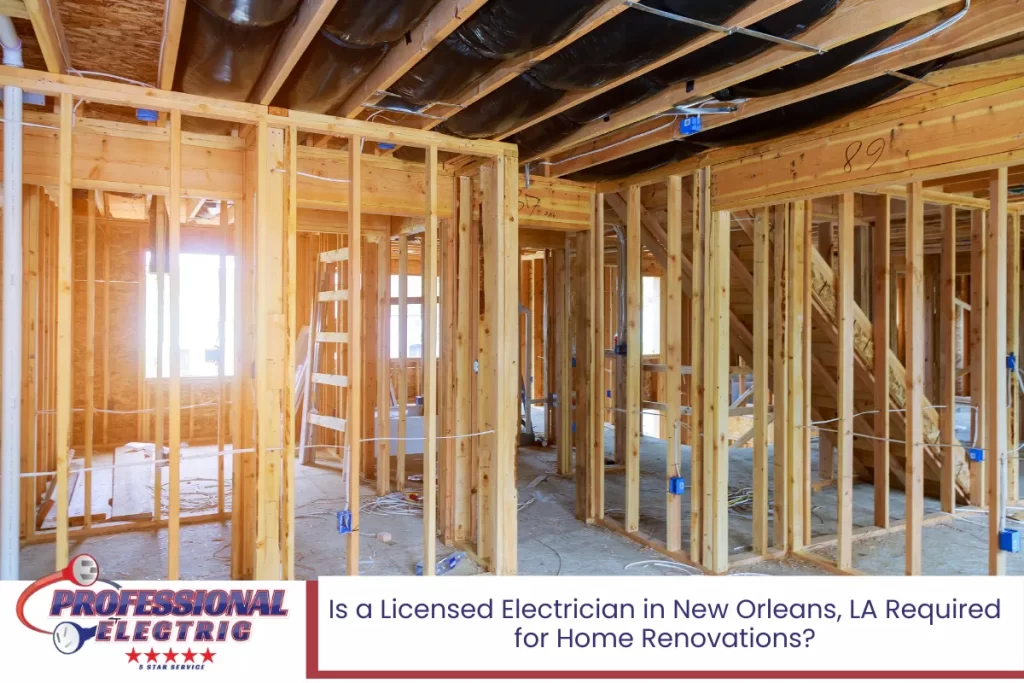
A comprehensive project may include:
- Removing outdated wiring
- Installing new copper conductors
- Upgrading electrical panels
- Adding grounded outlets
- Improving circuit layout for modern use
Walls may need limited access points, but experienced electricians minimize disruption.
Timeline and Planning Expectations
Most single-family homes can be rewired in stages. The duration depends on:
- Home size
- Accessibility
- Existing conditions
- Permit approval timelines
Planning ahead reduces inconvenience and ensures safety throughout the process.
Read New Orleans Electrician Near Me: Can a House’s Electrical Wiring Be Redone Without Removing Drywall?
Cost vs. Value: Is Rewiring Worth the Investment?
Cost is often the biggest concern for homeowners.
Understanding Rewiring Costs
Rewiring costs vary based on:
- Square footage
- Labor complexity
- Panel upgrades
- Permit requirements
While the upfront cost can feel significant, it addresses issues that could otherwise lead to fire damage, insurance claims, or emergency repairs.
Long-Term Financial Benefits
A rewiring project can:
- Reduce fire risk
- Lower insurance premiums
- Increase resale value
- Prevent costly emergency fixes
- Support energy-efficient upgrades
Many buyers view updated electrical systems as a major advantage in older homes.
Safety Benefits That Go Beyond Convenience
Safety is the most compelling reason to rewire.
Reducing Fire Hazards
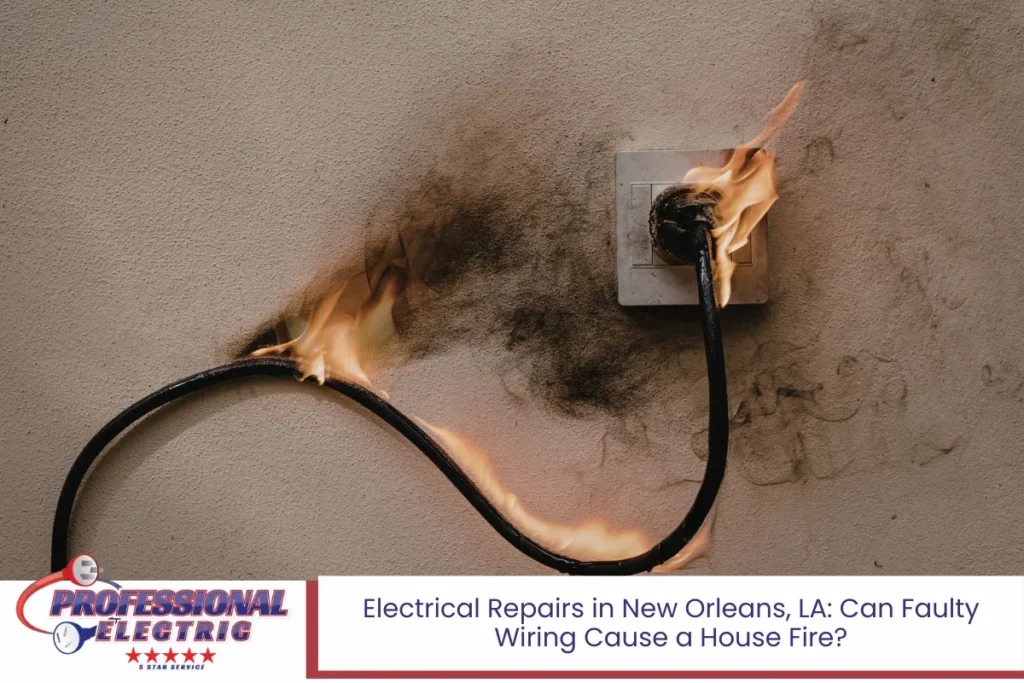
Electrical failures remain a leading cause of residential fires. Updated wiring reduces:
- Overheating conductors
- Arc faults
- Improper grounding issues
A licensed electrician near you prioritizes these protections during installation.
Protecting Sensitive Electronics
Modern electronics require stable voltage and proper grounding. Rewiring helps prevent:
- Power surges
- Equipment damage
- Data loss
This is especially important for home offices and smart systems.
Partial Upgrades vs. Full Rewiring: Making the Right Choice
Not every home needs a full overhaul.
When Partial Upgrades May Be Enough
Some homes benefit from:
- Panel replacement only
- Adding new circuits
- Outlet upgrades
- Grounding improvements
An electrician evaluates whether targeted improvements can safely extend system life.
When Full Rewiring Is the Smarter Option
Full rewiring is often recommended if:
- Wiring insulation is failing
- Aluminum wiring is present
- Multiple safety issues exist
- The home undergoes major renovation
A professional assessment prevents guesswork.
How Professional Electricians Assess Older Homes
A proper evaluation goes beyond a quick look.
Comprehensive Electrical Inspections
An electrician typically:
- Tests load capacity
- Checks grounding and bonding
- Inspects panel condition
- Identifies code violations
This process forms the basis for clear recommendations.
Transparent Recommendations Matter
A trustworthy electrician near you explains:
- Immediate safety concerns
- Optional improvements
- Long-term planning options
Clear communication helps homeowners make informed decisions.
The Impact of Rewiring on Renovations and Remodeling
Electrical upgrades often align with remodeling projects.
Planning Ahead Saves Money
Rewiring during renovations:
- Reduces labor overlap
- Minimizes wall repairs
- Allows better circuit placement
It also ensures new spaces meet modern power needs.
Supporting Future Technologies
Updated wiring supports:
- EV chargers
- Solar integration
- Smart panels
- Backup generators
Future-proofing adds lasting value.
Choosing the Right Electrician for a Rewiring Project
Not all contractors are equal.
What to Look for in an Electrician
Choose a professional who offers:
- Proper licensing and insurance
- Permit handling
- Clear estimates
- Experience with older homes
Local knowledge matters, especially in historic neighborhoods.
Avoiding Costly Mistakes
Unlicensed work can:
- Void insurance coverage
- Fail inspections
- Create hidden hazards
Hiring a qualified electrician protects your investment and your family.
Final Thoughts on Rewiring Older Homes
Rewiring a house with 40-year-old electrics is not just about modernization. It is about safety, reliability, and preparing your home for today’s electrical demands. With the guidance of a licensed electrician near you, homeowners can make confident decisions that protect both property and people.
New Orleans Electrician Near Me – Professional Electric
Professional Electric provides reliable electrical services for homeowners throughout New Orleans, Louisiana and the surrounding areas. If your house has aging wiring or you are unsure about the safety of your electrical system, our experienced electrician team is ready to help. We handle inspections, rewiring projects, panel upgrades, and code-compliant installations designed for older homes. Our focus is safety, efficiency, and long-term solutions that make sense for your property. Call (504) 858-0270 today, schedule an on-site evaluation, or fill out our contact form to speak with an electrician near you who understands the unique electrical needs of New Orleans homes.
Frequently Asked Questions
Is it possible to rewire a home without tearing out all the walls?
Yes, experienced electricians use strategic access points such as attics, crawl spaces, and targeted wall openings to minimize damage. While some drywall repair may be necessary, full demolition is rarely required. Careful planning allows new wiring to be installed efficiently while preserving the home’s structure and finishes.
How long does a typical rewiring project take in an occupied home?
Most rewiring projects take several days to a few weeks depending on home size, complexity, and occupancy. Electricians often work in phases to keep essential circuits active. Clear scheduling and communication help homeowners remain comfortable during the process.
Will rewiring increase my home insurance eligibility or rates?
Many insurers prefer or require updated electrical systems in older homes. Rewiring can improve eligibility, reduce premiums, and prevent claim denials related to outdated wiring. It also demonstrates proactive risk management.
Can old wiring affect energy efficiency even if appliances are new?
Yes. Degraded wiring increases resistance, causing energy loss and inconsistent power delivery. Updated wiring improves efficiency, stabilizes voltage, and helps modern appliances operate as intended without unnecessary strain.
Do historic homes in New Orleans face special electrical challenges?
Historic homes often have limited access points and outdated construction methods. Electricians familiar with local regulations know how to upgrade wiring while respecting structural and preservation requirements, ensuring safety without compromising character.
Disclaimer: This article is for general informational purposes only and does not replace a professional electrical inspection or consultation. Electrical work should always be performed by a licensed electrician in compliance with New Orleans and Louisiana regulations.
Read New Orleans Electrician Near Me: How Much Do Electricians Charge to Replace Outlets?